

Poor office hygiene is the buildup of germs, dust, and clutter on shared surfaces and common areas. The dangers are tangible: more sick days, lower productivity, and weaker brand impressions. The average office desk carries up to 400 times more bacteria than a toilet seat, and the CDC lists desks as a high-touch surface needing regular disinfection.
Ziva Cleaning Services treats office hygiene as a strategic asset, not a visual upgrade. Our tailored office cleaning services combine daily routines, periodic deep cleaning, and clear hygiene practices so your team can focus on work instead of fighting germs and clutter. This guide walks through the main dangers of poor office hygiene and the step-by-step plan that fixes them.
What Are the Main Dangers of Poor Office Hygiene?
Poor office hygiene creates six measurable risks for any business: rising sick days from preventable infections, lost productivity from fatigue and distraction, poor indoor air quality from accumulated dust and allergens, pest risks from food residue and waste, weaker brand perception from clients and visitors, and potential liability exposure for employers who knowingly allow unsanitary working conditions. Each risk compounds the others.
Illness and absenteeism: Bacteria and viruses on shared keyboards, phones, door handles, and break-room appliances spread quickly across a workforce. Research has linked dirty desks and shared surfaces to preventable sickness absence, which costs businesses real time and money. For a deeper look at how regular cleaning programs cut workplace illness, see our guide on preventing office illnesses with professional cleaning.
Lower productivity: Workers in untidy, dusty, or poorly maintained offices report higher fatigue, more headaches, and weaker focus, which translates to slower output and missed deadlines.
Indoor air quality issues: Dust, mold spores, and pollen build up in carpets, upholstery, and HVAC vents, then recirculate through the building. The EPA reports that indoor pollutant levels in offices can be higher than outdoor levels when ventilation and routine cleaning fall short.
Pest attraction: Food residue in break rooms, overflowing trash, and rarely cleaned kitchens draw cockroaches, ants, and rodents, which carry their own health and reputational consequences.
Brand and client perception: Visitors notice smudged glass, stained carpets, dusty surfaces, and stale break-room smells within seconds. First impressions form before the meeting starts.
Liability and compliance exposure: Chronically unsanitary workplaces can expose employers to general-duty obligations under workplace safety regulations and to complaints from staff or tenants.
How Does Poor Office Hygiene Affect Employee Health and Air Quality?
The health impact of poor office hygiene goes beyond visible dirt. Two areas matter most: the air employees breathe for forty hours a week, and the physical and mental fatigue that builds up in cluttered, dusty environments.
Indoor Air Quality
Not all hygiene problems are visible. Dust, pollen, mold spores, and other particles settle in carpets, upholstery, and vents, then recirculate through HVAC systems. As noted above, indoor pollutant levels in offices often exceed outdoor levels, which translates to headaches, fatigue, and irritation when ventilation and cleaning fall short.
Deep cleaning that includes HEPA-filter vacuuming, detailed dusting, and professional floor care cuts down airborne particles and allergens. Pair that with regular filter changes and good ventilation, and the office air gets measurably more comfortable. For a focused look at the specific allergens that drag down employee wellness and the cleaning steps that target them, see our companion guide on how to reduce office allergens and support employee wellness.
Mental Well-Being and Focus
Cluttered desks, dusty surfaces, and messy shared areas raise stress and make focus harder. A clean, orderly workspace supports mental clarity and pride in the workplace. Consistent cleaning paired with simple staff habits, like basic desk tidying and shared-space rules, helps your team feel valued and able to concentrate. We explore this connection further in our guide on routine office cleaning and employee productivity.
How Does Poor Office Hygiene Damage Your Brand?
Your office is a physical extension of your brand. When clients, vendors, or potential hires walk into your reception area or meeting rooms, they notice details within seconds: smudged glass, stained carpets, dusty surfaces, the smell of an uncleaned break room. A reliable commercial cleaning partner ensures visitors see your business at its best. Clean, well-maintained spaces signal that you care about your people and your work.
How Do You Fix Poor Office Hygiene? A Step-by-Step Plan
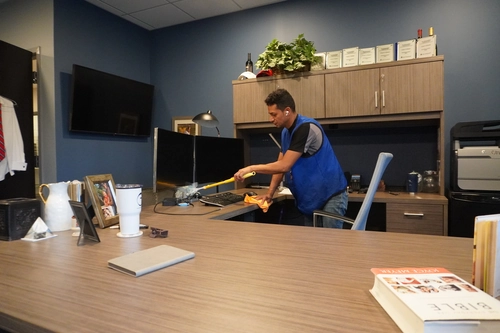
Fixing poor office hygiene comes down to combining a clear cleaning plan with daily staff habits and a dependable professional partner. The four steps below put each piece in order: audit first, build a structured plan, equip the team, and engage everyone in the culture.
Step 1: Audit High-Risk Zones
Start with a 20-minute walkthrough of the office and flag every high-touch surface and contamination hotspot: shared keyboards and phones, door handles, elevator buttons, copier panels, light switches, breakroom appliances, refrigerator handles, restroom fixtures, and meeting-room remotes. List each, note who uses it and how often, and rank the top ten by traffic. Those become the priority surfaces for daily disinfection. Anything touched by more than five people a day belongs on the list.
Step 2: Create a Structured Office Cleaning Plan
Build a written schedule that combines daily, weekly, and periodic tasks. Relying on staff to clean when they have time leads to missed areas and inconsistent standards.
A solid plan should include:
Daily tasks: Disinfecting desks, phones, and keyboards; wiping door handles and shared devices; cleaning restrooms; emptying trash.
Weekly tasks: Vacuuming carpets, dusting surfaces and vents, sanitizing break rooms, and cleaning interior glass.
Monthly or quarterly tasks: Deep cleaning carpets, polishing hard floors, high dusting, and detailed restroom and kitchen deep cleans.
For a ready-made framework you can adapt to your space, see our office cleaning checklist.
Step 3: Make Hygiene Supplies Accessible
Professional cleaning works best when supported by day-to-day habits. Place disinfectant wipes, hand sanitizer, tissues, and paper towels in convenient, well-marked locations. High-traffic spots, including break rooms, shared kitchens, and printer stations, benefit most from having supplies within reach.
When employees can clean spills quickly and wipe down shared items between professional visits, the routine cleaning team can focus on detailed work rather than catch-up.
Step 4: Educate and Engage Your Team
Office hygiene is part of company culture. When leaders speak clearly about expectations and the value of a clean workspace, staff participate. Include hygiene expectations in onboarding and reinforce them with simple signage or brief team updates. We often recommend pairing professional cleaning with a basic "clear desk" policy and regular declutter days.
Why Professional Office Cleaning Services Are Essential
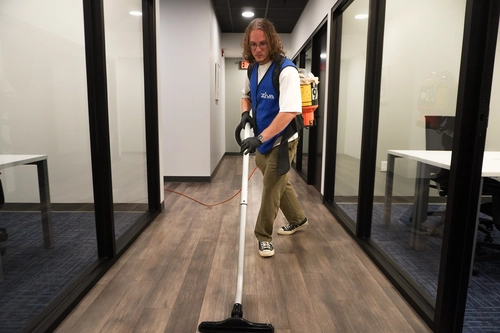
Even with motivated staff and good intentions, businesses rarely manage all cleaning in-house consistently. Workloads shift, supplies run out, and certain areas, including high vents, baseboards, and behind-desk dust, get overlooked. A professional cleaning company handles these details week in, week out.
We design tailored office cleaning programs for workplaces of all sizes, including:
Small office programs for businesses under 2,000 square feet
Daily janitorial service for busy mid-size offices
Deep cleaning for carpets, floors, and high-dust areas
Specialty chair and upholstery cleaning
Restroom and common-area sanitation programs
For spaces that include clinical or treatment rooms, we coordinate medical cleaning services alongside the general office program to support higher hygiene standards.
How Much Does Professional Office Cleaning Cost?
Office cleaning cost typically depends on facility size, frequency, and scope. A 3,000-square-foot office cleaned three times a week generally runs $400 to $900 per month for routine janitorial services.
Four factors drive the variation:
Facility size: Larger spaces qualify for lower per-square-foot rates because labor scales better across the floor plan.
Cleaning frequency: Daily service costs more per month than weekly but lowers per-visit costs and prevents buildup.
Scope of work: Standard cleaning differs from deep cleaning, carpet care, or specialty floor work. Each adds to the rate.
Industry requirements: Offices that include exam rooms, commercial kitchens, or industrial workspaces sit at the higher end of every range.
For a full breakdown by office size, hourly versus square-foot pricing, and a sample monthly cost calculator, see our office cleaning cost guide per square foot.
Why Choose Ziva Cleaning Services
Poor office hygiene damages health, morale, and brand perception, and it is also one of the most fixable issues in any workplace. By combining clear internal habits with dependable professional cleaning, your office stays healthier, more productive, and ready to impress.
We offer office cleaning programs tailored to your schedule, space, and industry. For a one-time deep clean or an ongoing daily program, our team builds a plan around your office, your industry, and your priorities. Contact us today for a customized office cleaning quote and find out how a professional cleaning partner can protect your people, strengthen your reputation, and keep your workplace running smoothly.


