

A clean office is fundamental to creating a healthy and productive workplace. At Ziva Cleaning Services, we understand that maintaining hygiene standards directly impacts employee health, reduces absenteeism, and supports overall business success. In this guide, we’ll explore how office cleaning reduces the spread of illness and contributes to workplace wellness.
The Link Between Clean Offices and Employee Well-Being
A sanitary, well-maintained workspace is essential for mental clarity, morale, and focus. Employees are more productive and less distracted when their surroundings are clean and organized. Additionally, prioritizing office hygiene sends a powerful message that management cares about employee health.
Professional office cleaning ensures that:
Workspaces are consistently free from dust, allergens, and germs.
High-touch surfaces are regularly disinfected.
Common areas are safe, organized, and inviting.
Why Germ Control Matters in Office Spaces
The Centers for Disease Control and Prevention (CDC) reports that U.S. adults catch 2–3 colds per year. When compounded across an office, these minor illnesses can drastically reduce workforce productivity. Professional cleaning services help:
Disinfect high-touch surfaces like keyboards, door handles, and shared electronics.
Limit germ transmission in communal spaces like break rooms and bathrooms.
Reduce airborne pathogens through proper ventilation and dust control.
Learn more in 5 Tips to Keep Your Office Clean and Professional.
Key Benefits of Professional Cleaning in Offices
Investing in professional cleaning services offers long-term health and business benefits:
Reduced Sick Days: Fewer germs mean less absenteeism.
Boosted Morale: Clean spaces lead to happier, more engaged staff.
Improved Company Image: Visitors and clients associate cleanliness with professionalism.
A clean workspace supports physical and mental wellness, leading to a more motivated and efficient team. Read more about The Hidden Power of Regular Office Cleaning for Employee Productivity.
Focus on High-Traffic and High-Touch Zones
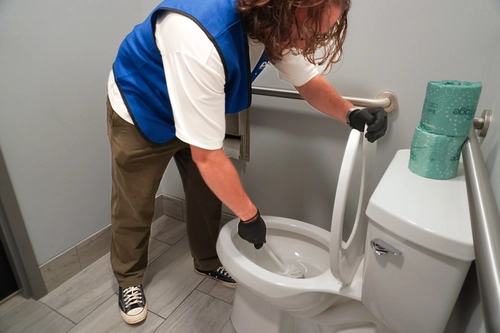
Some office areas are more prone to microbial buildup. Regularly disinfect these:
Door handles, light switches, and elevator buttons
Shared kitchen appliances
Restroom surfaces
Copier and printer stations
Reception areas
Consistent attention to these spaces reduces the risk of cross-contamination.
Cleaning vs. Disinfecting: Know the Difference
Cleaning removes dirt and surface debris, setting the stage for effective disinfection.
Disinfecting uses chemical agents to kill germs that can lead to illness.
Both are necessary. Together, they form the foundation of any effective hygiene program.
Tailored Cleaning for Different Office Areas
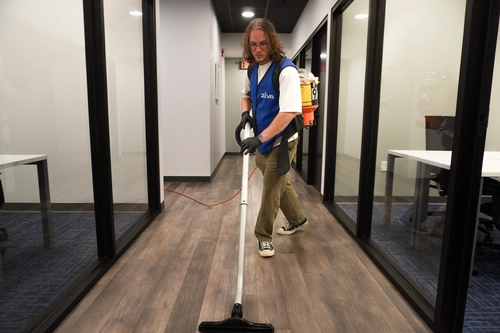
Each area of an office has distinct cleaning needs:
Workstations: Desks, keyboards, and chairs require regular disinfection.
Restrooms: Frequent cleaning to prevent the spread of bacteria and viruses.
Kitchens: Sanitize all surfaces, including coffee machines and countertops.
Meeting Rooms: Wipe down phones, remote controls, and whiteboard markers.
Our customized office cleaning services ensure every zone gets the right level of care.
Improving Indoor Air Quality with Duct Cleaning
Poor indoor air quality can aggravate allergies and spread airborne illnesses. Regular duct cleaning helps by:
Removing dust, pollen, and mold spores from HVAC systems.
Supporting respiratory health and reducing headaches or fatigue.
Increasing system efficiency and reducing odors.
The Business Case for Regular Commercial Cleaning
Beyond health, there’s a financial argument:
Poor indoor air quality can increase absenteeism by up to 9%.
Clean offices report up to 25% fewer sick days, according to industry data.
That translates into higher output, fewer disruptions, and improved ROI.
Compliance and Workplace Hygiene Standards
Regulations require businesses to meet certain hygiene standard, nevertheless, exceeding those standards provides additional protection and competitive edge. Ziva Cleaning Services helps companies stay compliant while also exceeding expectations in cleanliness and safety.
Creating a Culture of Cleanliness
A clean office isn’t just the job of janitorial staff. You can promote hygiene culture by:
Educating employees on handwashing and desk cleaning.
Posting visible hygiene reminders in common areas.
Encouraging staff to keep their personal spaces tidy.
Professional services reinforce these habits with consistency and expertise.
Partner with Ziva Cleaning Services for a Healthier Office
At Ziva Cleaning Services, we specialize in commercial and office cleaning solutions that help prevent the spread of illnesses and create spaces where teams thrive. From daily janitorial tasks to deep disinfection and duct cleaning, we tailor our services to your specific office layout and workflow.
Let’s work together to protect your most valuable asset: your people. Contact us today to learn more about our comprehensive office cleaning solutions.


