

Gym cleaning services are specialized commercial cleaning programs built for fitness facilities. They cover equipment disinfection, locker room and shower deep cleaning, athletic floor care, and high-touch surface management in high-traffic zones. Because shared equipment and moisture-heavy environments concentrate bacteria and viruses, the CDC classifies routine cleaning and disinfection as essential to facility hygiene, which sets these programs apart from standard janitorial work.
What's Included in Professional Gym Cleaning Services
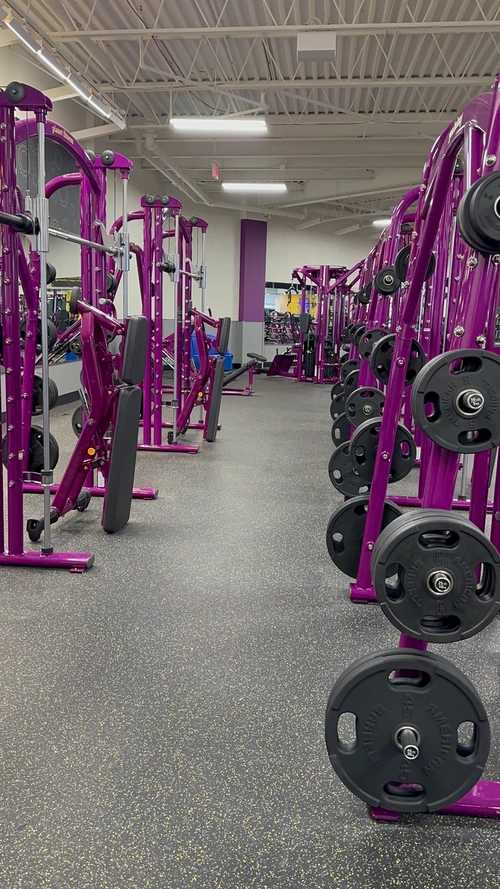
Professional gym cleaning services typically fall into three tiers: routine daily cleaning, specialty services for equipment and surface-specific needs, and deep cleaning that resets the facility periodically. At Ziva Cleaning Services, the mix of services in any contract depends on facility size, traffic volume, and equipment type. Each tier is broken down below.
Routine cleaning (the daily backbone)
Routine cleaning is the daily backbone: vacuuming and mopping high-traffic zones, restroom maintenance and restocking, trash removal, glass and mirror cleaning, and disinfection of high-touch surfaces such as door handles, machine controls, and free-weight handles. This work runs daily or several times a week and forms the base layer of every gym contract.
Equipment cleaning and disinfection
Equipment cleaning is where gym programs diverge most sharply from generic janitorial work. Cardio machines (treadmills, ellipticals, bikes, rowers) carry electronics, screens, and rubber components that need electronic-safe, non-corrosive disinfectants. Strength equipment (machines, racks, dumbbells, kettlebells) handles harsher products but requires attention to grip surfaces and contact points. Accessories (mats, foam rollers, resistance bands, exercise balls) often involve material-sensitive cleaning since some chemicals degrade vinyl or foam. A professional gym cleaning company tailors product and method to the equipment, which generalist crews rarely do.
Locker rooms, showers, and restrooms
Locker rooms and showers are the highest-risk zones in a fitness facility because warmth and humidity accelerate microbial growth. Our crews typically deep-clean these areas with hospital-grade disinfectants, treat tile and grout to control mold and mildew, manage drains and ventilation to handle odor, and disinfect lockers, benches, and shower fixtures. Fixture restocking (paper, soap, sanitizer) is included. This zone surfaces complaints fastest if cleaning is inconsistent, so most facilities prioritize daily locker-room work.
Floor care for fitness surfaces
Gym floor care is surface-specific. Rubber flooring needs neutral-pH cleaners, since harsh chemicals degrade rubber over time. Hardwood (yoga and pilates studios) requires low-moisture methods to avoid warping. Tile and grout in locker rooms accumulates soap scum and mold, so periodic deep cleaning prevents long-term damage. Concrete (CrossFit and warehouse-style gyms) takes scrubbing and chalk removal more than chemical work. Floor care typically runs as daily maintenance plus periodic deep cleans, with stripping and refinishing every 12 to 24 months for hardwood and tile.
Specialty and add-on services
Beyond the core scope, most gym cleaning programs offer specialty services owners can add as needed. Electrostatic disinfection covers shared equipment and high-touch zones with a fine charged spray that adheres uniformly to surfaces. HVAC and air-quality work addresses ventilation and filtration, which affects member comfort and odor control. Window and mirror cleaning handles the visual presentation. Day porter coverage places cleaning staff onsite during member hours for live spill response and restroom upkeep, the role we've covered separately as on-site day porter coverage.
Service tier | What's included | Typical frequency |
|---|---|---|
Core (routine) | Daily janitorial, restroom maintenance, trash, mirrors, high-touch disinfection | Daily or several times weekly |
Specialty (add-on) | Electrostatic disinfection, HVAC and air-quality, day porter, window cleaning | Weekly to monthly |
Deep cleaning | Floor stripping and refinishing, tile and grout, equipment detail clean, full facility reset | Monthly to quarterly |
For a task-level breakdown of what gets done daily, weekly, and monthly, the daily, weekly, and monthly task breakdown is covered separately.
Types of Fitness Facilities That Use Gym Cleaning Services
Not every fitness facility has the same cleaning needs. A 24-hour big-box gym with thousands of members and 30,000 square feet of weight floor runs a different program than a 1,200-square-foot boutique yoga studio with 80 members. Below are the six facility types we most commonly see, and where their cleaning needs differ.
Big-box commercial gyms
Planet Fitness, LA Fitness, Gold's, 24-Hour Fitness, and similar national-scale facilities run high traffic across cardio floors, free-weight zones, group-class studios, pools or saunas, and member service desks. The cleaning program handles substantial square footage on tight overnight or early-morning windows, with locker rooms and pool-area work often taking the most labor.
Boutique fitness studios (yoga, pilates, barre)
Boutique studios are smaller, premium-aesthetic facilities with sensitive surfaces. Hardwood floors, mirrors, and shared mat or prop equipment all need careful, low-residue cleaning since members notice grime and chemical odor instantly. Cleaning typically happens between class blocks or before opening, and the program emphasizes presentation as much as sanitation.
CrossFit and functional fitness boxes
CrossFit boxes and functional-fitness facilities have concrete floors, rubber matting, exposed equipment, and chalk dust everywhere. The cleaning challenge is less about delicate surfaces and more about volume of grit, sweat absorption in equipment, and chalk distribution across the entire space. Cleaning usually runs after the last class of the day.
Health clubs and country club fitness centers
Health clubs and country club fitness wings combine gym, spa, and locker amenities at near-hospitality cleanliness expectations. The program reads more like a hotel cleaning contract than a commercial gym one, with attention to member-experience details (folded towels, fresh restroom supplies, polished fixtures) on top of standard sanitation.
Hotel and corporate fitness centers
Hotel gyms and corporate fitness centers are smaller, often unattended, and folded into a broader facility cleaning contract. Access is typically 24/7 in hotels and during business hours plus extended evenings in corporate sites, so the cleaning window is narrow but the scope per visit is contained.
24-hour gyms
Gyms with no overnight closure cannot follow the standard "clean while closed" model. Cleaning happens during the lowest-traffic hours, often between 2:00 and 5:00 a.m., and frequently relies on day porter coverage during peak times for spill response, equipment wipe-down, and restroom upkeep.
Facility type | Primary cleaning challenge | Typical scheduling |
|---|---|---|
Big-box commercial gym | Square footage, pool and locker work | Overnight or early morning |
Boutique studio | Sensitive surfaces, presentation focus | Between class blocks or pre-opening |
CrossFit / functional box | Chalk, grit, equipment volume | After last class |
Health club / country club | Hospitality-grade detail | Multiple daily passes |
Hotel / corporate gym | Narrow service window, contract-bundled | Off-hours, often part of broader contract |
24-hour gym | No closure window | Low-traffic overnight plus day porter |
How Often Does a Gym Need Professional Cleaning?
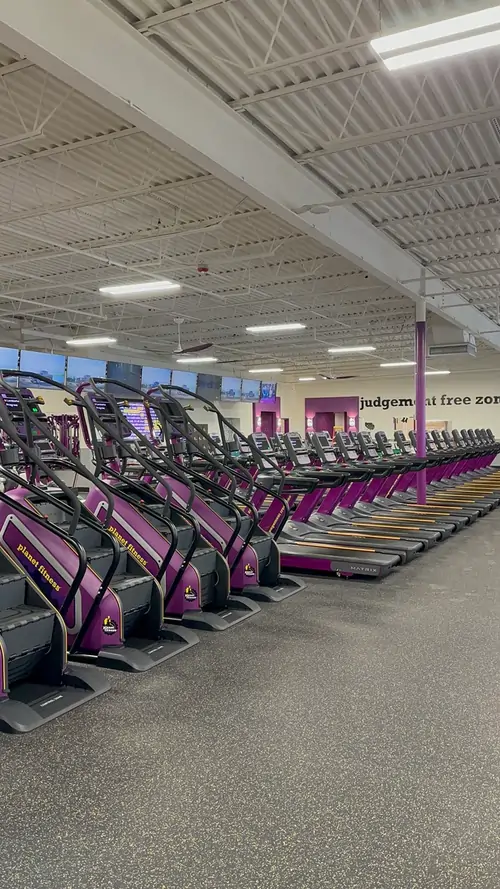
Cleaning frequency in a gym depends on the zone, not just the facility. High-traffic, high-touch areas need attention several times a day, while low-touch back-of-house zones can run on weekly or monthly schedules. The framework below covers typical cadence by zone, which owners can apply to their own facility's traffic level.
High-touch surfaces (door handles, machine controls, free-weight handles, locker handles) need disinfection multiple times daily. Most facilities combine staff or member touch-up wipes throughout the day with a full gym cleaning professional pass at close.
Equipment surfaces follow daily disinfection at minimum. Cardio gets the heaviest attention because of direct skin contact and electronic-safe-product requirements; strength equipment and accessories follow on the same daily schedule.
Restrooms and locker rooms run on a daily deep-clean cadence in most facilities, with mid-day touch-ups in higher-traffic gyms. Showers especially need daily attention to control mold and biofilm.
Floors run on a daily vacuum-and-mop schedule, weekly deep floor care depending on surface type, and periodic stripping or refinishing every 12 to 24 months for hardwood and tile.
Full facility deep cleans typically run monthly or quarterly, depending on traffic. These reset the facility and catch zones the daily cadence skips.
In-House Cleaning vs. Professional Gym Cleaning Services
Many gym owners weigh the cost of hiring a professional service against the simplicity of having staff handle cleaning in-house. The right answer depends on facility size, specialty needs, liability tolerance, and what your staff is best used for. Four questions usually settle it.
Facility size and traffic: A 1,200-square-foot boutique studio with 80 members can probably manage cleaning in-house if a part-time staff member is consistently responsible for it. A 15,000-square-foot facility with 1,500 members and a pool cannot, in any cost-effective way.
Specialty needs: Electrostatic disinfection, hardwood floor refinishing, deep tile-and-grout work, and HEPA-filtered equipment require specialty tools and training that are rarely worth buying for in-house use. If your facility needs these regularly, a professional service is almost always cheaper.
Liability and consistency: If member health complaints, insurance audits, or contractual obligations are part of your operating context, an in-house program creates real risk. A documented, vendor-managed cleaning scope provides a paper trail that an in-house program rarely produces.
Staff opportunity cost: Front-desk and trainer time spent cleaning is time not spent on member sales, retention, and training. The hourly cost of redirecting staff to cleaning is usually higher than what a professional gym cleaning service charges for equivalent work. For a deeper look at the importance of professional gym cleaning, our team has covered this separately.
What to Look for in a Gym Cleaning Company
Choosing a gym cleaning provider is more than checking that they're insured. The vetting framework below covers the criteria that separate a service that will make your facility safer and easier to run from one that will create more problems than it solves.
Industry experience with fitness facilities specifically: A crew that cleans offices five nights a week is not the same as one that cleans gyms five nights a week. Ask how many fitness facilities they currently service and what equipment categories they handle.
Insurance, bonding, and background checks: Anyone entering your facility after-hours has access to equipment, member-area spaces, and the building itself. Confirm general liability and workers' comp insurance, bonding, and background checks on every staff member. The ISSA, the leading commercial cleaning industry body, publishes guidance on what professional cleaning vendors should carry.
Written cleaning specifications: A gym cleaning vendor who can hand you a documented scope (which zones, what frequency, which products) is operating professionally. A vendor who only quotes a flat monthly fee with no scope detail is selling vibes, not service.
Flexible scheduling that fits gym hours: Early morning, late night, weekend, and 24-hour facility coverage all need different operational models. Confirm that the provider can match your operating window before signing.
Local accountability: When something goes wrong, can you reach a decision-maker or only a call center? Locally owned providers respond faster and adjust scope more flexibly than franchise operations. Our team builds our commercial cleaning programs around direct owner contact, documented scope, and fast turnaround.
If you're evaluating whether professional cleaning makes sense for your gym, we offer free on-site assessments to walk through your facility and put together a scope and schedule that fits how you operate. Contact our team to schedule one.

