

Factories and warehouses thrive on efficiency, but grime buildup can halt operations fast. What is industrial cleaning? It's the heavy-duty process using specialized tools like industrial floor cleaners and pressure washers to maintain safety and productivity in demanding environments. Ziva Cleaning Services brings decades of expertise in industrial factory cleaning services to deliver this practical guide, it helps managers prevent hazards and comply with regs, following OSHA workplace sanitation guidelines.
Why Your Facility Needs an Industrial Cleaning Checklist
Slips/falls cause 15-27% of industrial injuries/downtime, and routine industrial cleaning prevents those risks, keeping teams safe and productive. Without it, dust, oils, and waste violate OSHA rules and inflate costs. This checklist adapts to your workflow, much like proven factory protocols.
Key Risks Without Routine Industrial Cleaning
Slippery floors from unchecked spills cause 15% of factory injuries, per OSHA data. Airborne dust clogs vents, risking respiratory issues, while chemical residues spark fires. Poor drains breed bacteria, leading to shutdowns, EPA notes improper waste handling contaminates sites long-term.
Industrial Cleaning Checklist by Frequency
Daily Cleaning Tasks
Hit high-traffic spots end-of-shift to curb debris spread.
Factory Floors: Sweep walkways, mop spills with industrial strength cleaner and degreaser; inspect for cords/trip hazards and restock spill kits.
Workstations: Wipe benches/tools of residues/shavings using industrial chemical cleaning wipes; empty trash, check safety guards.
Restrooms/Breaks: Disinfect sinks/toilets/high-touches with industrial bathroom cleaner; mop floors, restock supplies; use industrial drain cleaner for clogs.
Entrances: Sweep mats, wipe handles to block tracked dirt.
Weekly Cleaning Tasks
Tackle buildup before it hardens.
Machinery: Wipe belts/panels, degrease conveyors with industrial pressure cleaner; lubricate per manuals, check leaks.
Storage Areas: Reorganize racks, wipe shelves; discard expired items, label bins.
Walls/Fixtures: Dust beams/switches, remove cobwebs; clean industrial air duct cleaning spots lightly.
Safety Gear: Inspect extinguishers/eyewash/first-aid; test showers.
Monthly Cleaning Tasks
Prevent long-term wear with deep sessions.
Floors/Drains: Pressure wash using industrial floor cleaning equipment; unclog/seal drains.
Deep Machinery: Access internals for industrial deep cleaning; swap filters/fluids.
Overheads: Vacuum ducts/ceilings, replace HVAC filters with industrial air cleaner aids.
Waste Systems: Sanitize bins; schedule hazmat pickup.
Industrial Cleaning Checklist by Facility Zones
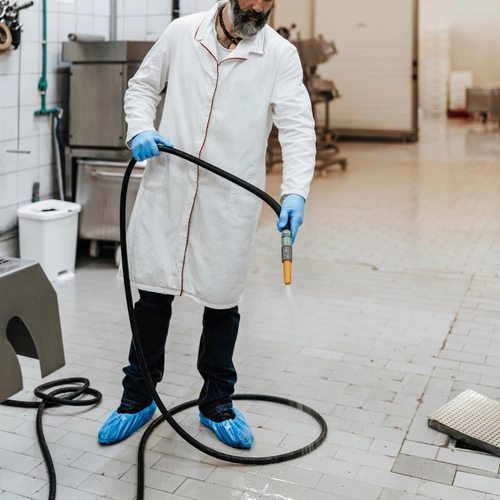
Factory Floors and Workstations
Daily: Spot-clean spills with best industrial floor cleaner.
Weekly: Scrub full areas via industrial floor cleaning.
Monthly: Seal/steam with industrial steam cleaner for slip resistance.
Machinery and Production Areas
Protect investments from residue.
Daily: Surface wipes.
Weekly: Degrease externals (industrial parts cleaning basics).
Monthly: Full industrial machinery cleaning services style: internal fans/bearings.
Restrooms, Kitchens, and Break Areas
Hygiene hotspots demand vigor.
Daily: Full sanitize (industrial kitchen cleaning for break sinks).
Weekly: Deep mop cabinets
Monthly: Industrial drain cleaning services + vent dust.
Storage, Exteriors, and High-Reach Areas
Often overlooked, yet critical.
Daily: Quick sweeps.
Weekly: Shelf wipes.
Monthly: Industrial window cleaner for exteriors; high-reach industrial carpet cleaner machine if applicable.
Recommended Industrial Cleaning Equipment and Chemicals
Category | Recommendations | Use Case |
|---|---|---|
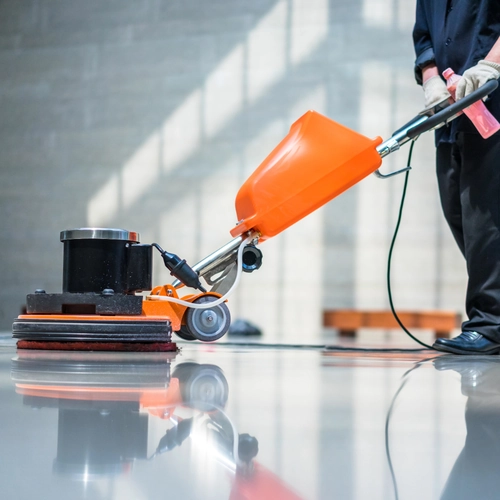
Floor Tools | Industrial floor cleaner, pressure cleaner, steam cleaner | Spills, deep scrubs |
Air/Surface | Industrial air cleaner, air duct cleaning vacs | Dust control |
Specialty | Carpet cleaner machine, drain cleaner, degreaser | Fabrics, clogs, oils |
Chemicals | Industrial cleaning chemicals (EPA-listed) | Broad disinfection |
Source: EPA safer choice cleaners. Ziva Cleaning Services supplies these—details in our deep cleaning service blog.
Best Practices for Industrial Cleaning Success
Log every task (who/when/what) for OSHA proof. Train on PPE/chemicals quarterly; adopt 5S (Sort/Shine/etc.) for culture. Before you outsource, split the checklist: floors, high dusting, and restrooms/breakrooms suit insured, bonded pros like Ziva Cleaning Services, while hazmat pickup and chemical spill remediation need separately licensed specialists. Our industrial housekeeping in Reading follows that split and is scheduled around active shifts at Berks County factories and warehouses.
Partner with Ziva Cleaning Services
Elevate your operations with our industrial cleaning services, tailored daily/weekly/monthly plans using top industrial cleaning equipment. Get a free site audit today, contact us now for safer, cleaner facilities!


