

According to the CDC, environmental surfaces play a significant role in the transmission of pathogens. This makes professional medical office cleaning an essential service rather than a luxury. Partnering with medical office cleaning companies in Reading, PA that understand local and federal regulations is the first step in building a trustworthy practice.
Why Medical Office Cleaning in Reading, PA Demands a Higher Standard
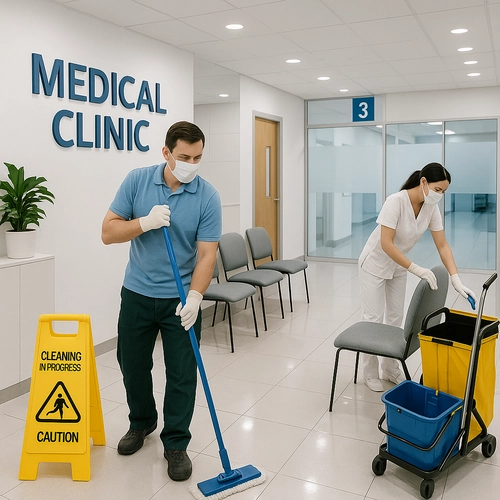
The stakes for cleanliness in a medical office are remarkably high compared to traditional commercial spaces. While a standard office might focus on dust removal and trash collection, medical office cleaning services focus on microbial reduction and the total elimination of dangerous pathogens. In a city like Reading, where healthcare facilities range from small private practices to large multi-specialty clinics, the need for a consistent, high-level sanitization strategy is paramount.
Beyond Aesthetics: The Science of Infection Control
True medical cleaning is an invisible science. It involves understanding the "dwell time" of disinfectants. The specific amount of time a chemical must remain wet on a surface to effectively kill germs. Many general cleaners make the mistake of spraying and wiping immediately, which leaves behind resilient bacteria. Medical office cleaning companies train their staff to use EPA-registered, hospital-grade disinfectants that are proven to neutralize viruses like influenza, norovirus, and MRSA.
Navigating Local Health Regulations and CDC Compliance
Adhering to OSHA (Occupational Safety and Health Administration) standards is a legal requirement for any healthcare facility. This includes the Bloodborne Pathogens Standard, which dictates how potential infectious materials must be handled and cleaned. In Pennsylvania, facilities must also stay aligned with state-specific health department guidelines. Ziva Cleaning Services ensures that every cleaning professional is well-versed in these requirements, protecting your facility from liability and ensuring a safe workplace for your medical staff.
Critical Areas That Require Specialized Medical Office Cleaning Services
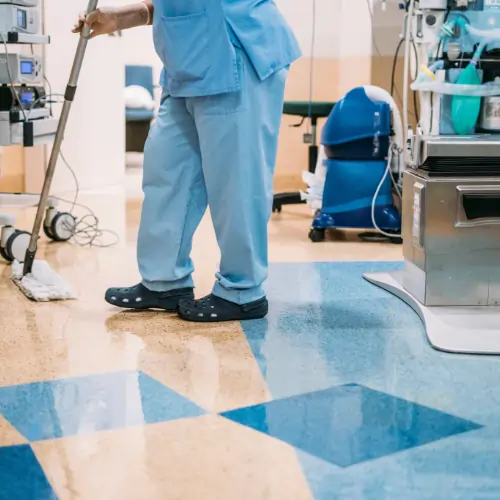
Every square inch of a clinic carries a different risk profile. A one-size-fits-all approach to janitorial work simply does not work in a clinical setting. To maintain a safe environment, medical office cleaning must be prioritized based on the level of patient contact and the nature of the procedures performed in each area.
High-Touch Points: The Primary Defense Against Pathogens
The most dangerous areas in any Reading medical office are often the most overlooked. Doorknobs, light switches, elevator buttons, and cabinet handles are touched hundreds of times a day. If one patient with a highly contagious virus touches a reception counter, that surface becomes a vector for every subsequent person who interacts with it. Specialized medical office cleaning services utilize a rigorous high-touch point checklist to ensure these surfaces are disinfected multiple times daily.
Waiting Rooms and Reception: Managing the First Point of Contact
The waiting room is often the most germ-dense area of a facility. Patients who are actively sick sit in close proximity, sharing chairs and air space. To keep your Reading clinic safe, waiting room furniture must be cleaned with non-porous-safe disinfectants frequently. Proper operating room cleaning principles can even be applied here to ensure that the transition from the "public" area to the "clinical" area is as sterile as possible.
Sterile Environments: Exam Rooms and Clinical Spaces
Exam rooms are where the most sensitive interactions occur. After every patient visit, the room should undergo a transition clean, but at the end of the day, a deep disinfection is required. This includes sanitizing exam tables, stool bases, and medical equipment surfaces. If your facility handles minor surgeries, you may even require postoperative cleaning protocols to ensure that no cross-contamination occurs between different surgical cases.
How Often Should the Medical Office Be Cleaned?
A common question for facility managers in Reading is: how often should the medical office be cleaned? The answer depends on your patient volume and the type of care provided, but there are baseline industry standards that every professional facility should follow to maintain safety and compliance.
Daily Disinfection Tasks for Patient Safety
At a minimum, every medical office requires daily professional cleaning. This includes the thorough disinfection of all restrooms, waiting areas, and exam rooms. Trash containing non-regulated medical waste must be removed, and floors should be cleaned using microfiber mopping systems that prevent cross-contamination between rooms. Daily cleaning ensures that the "bio-burden" of the facility stays low enough to prevent outbreaks.
Weekly Deep Cleaning and Floor Care Protocols
Beyond the daily hustle, weekly tasks focus on the areas that collect dust and allergens. This includes high-dusting of vents, cleaning baseboards, and deep-cleaning window treatments. For facilities with high foot traffic in Reading, weekly floor burnishing or specialized carpet extraction may be necessary to remove deeply embedded contaminants. Following essential cleaning tips for busy medical clinics can help managers stay on top of these rotating tasks without disrupting patient care.
Terminal Cleaning: When an Intensive Reset is Necessary
In cases where a patient with a known highly infectious disease has been treated, or in surgical environments, terminal cleaning is required. This is an intensive process where every single object in the room is moved and disinfected from top to bottom. It is the most rigorous form of medical office cleaning and requires specialized training that many standard janitorial companies do not possess.
The Challenges of Healthcare Sanitation
Cleaning a medical facility is not just about the physical act of scrubbing; it involves navigating complex logistical and ethical challenges. Professional medical office cleaners are trained to operate within these constraints without compromising on the quality of the sanitization.
Maintaining Patient Privacy (HIPAA) During Cleaning Shifts
Privacy is a cornerstone of the healthcare industry. Cleaning crews often have access to areas where sensitive patient information might be visible on charts or computer screens. Ziva Cleaning Services trains all staff on HIPAA awareness, ensuring that they understand the importance of discretion and confidentiality. We work around your schedule to ensure that cleaning happens at times that do not interfere with patient privacy or the flow of care.
Managing Biohazardous Waste and Sharps Safety
The disposal of biohazardous waste is a critical safety concern. While medical staff usually handle the primary disposal of sharps, cleaning crews must be trained to recognize and report any improperly disposed of hazardous materials. Working with medical office cleaning companies that prioritize safety training reduces the risk of needle-stick injuries and ensures that your facility remains in compliance with environmental health and safety laws.
Choosing Between Medical Office Cleaning Companies
When searching for "medical office cleaning near me", Reading facilities should look for more than just a low price. You are looking for a partner in patient safety. A cheap cleaning service can actually cost you more in the long run through failed inspections, staff illness, or even healthcare-acquired infection lawsuits.
What to Look for in a Reading-Based Cleaning Partner
A reputable partner should provide transparent communication and documented proof of their cleaning processes. Ask potential medical office cleaning companies about their training programs, the types of chemicals they use, and how they handle quality control. They should be able to explain their methods for preventing cross-contamination, such as using color-coded microfiber cloths (e.g., red for restrooms, blue for common areas). Ask how a provider enforces its color coding, not just whether it uses one; in Reading, our color-by-zone system is part of crew training and supervisor walkthroughs, so a restroom cloth never touches a clinical surface.
The Ziva Difference: Expertise in Reading, PA Healthcare Facilities
Ziva Cleaning Services stands out because we view ourselves as an extension of your medical team. We understand the specific needs of the Reading, PA, community and the unique pressures faced by local healthcare providers. Our commitment to excellence, combined with our specialized knowledge of medical-grade sanitation, makes us the preferred choice for clinics that refuse to compromise on quality.
Whether you are running a small family practice or a large diagnostic center, your facility deserves a cleaning partner that is as dedicated to health as you are. By investing in professional medical office cleaning, you are investing in the reputation of your practice and the well-being of every patient who walks through your doors.
Ready to elevate the standards of your healthcare facility? Get a customized cleaning plan that meets your specific needs and ensures your medical office remains a safe haven for healing.


