

Maintaining spotless clinics is a lifeline for patient trust and safety in 2026. With healthcare-associated infections still a top concern, according to CDC data, this ultimate medical cleaning checklist equips clinic managers with proven steps. Ziva Cleaning Services, experts in commercial facility hygiene, shares this guide to simplify compliance and elevate standards.
Why Clinics Require a Medical Cleaning Checklist
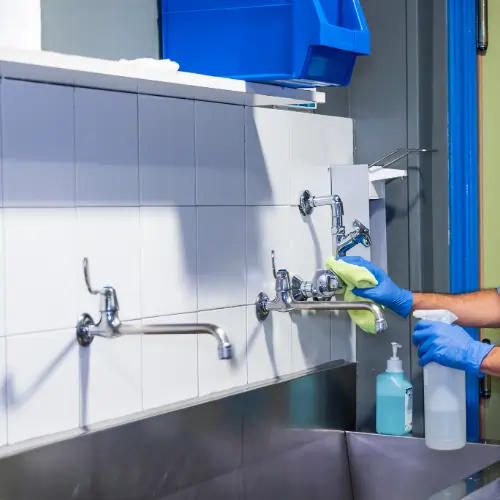
Clinics face unique pressures from high patient traffic and vulnerable populations. A solid medical cleaning checklist cuts infection risks, boosts staff efficiency, and meets regulatory demands like those from OSHA. Facilities skipping structured protocols often see HAIs rise by up to 30%, per health authority reports. Pediatric clinic waiting rooms sit at the sharp end of this challenge, where shared toys, communal seating, and high-touch surfaces concentrate cross-contamination risk for the youngest, most vulnerable patients.
Key Risks of Poor Cleaning
Neglected high-touch surfaces harbor pathogens like MRSA, spreading via door handles or exam tables. Dust buildup in vents fuels airborne contaminants, while improper waste handling invites cross-contamination. These gaps not only endanger health but trigger costly fines; OSHA cites improper sanitation as a frequent violation in clinics.
Compliance Basics
U.S. clinics must align with OSHA's Bloodborne Pathogens Standard. Regular audits demand documented daily wipes, equipment sanitization, and PPE use. Ziva Cleaning Services helps clinics stay audit-ready; learn more in our commercial cleaning essentials blog.
Medical Cleaning Checklist by Clinic Zones
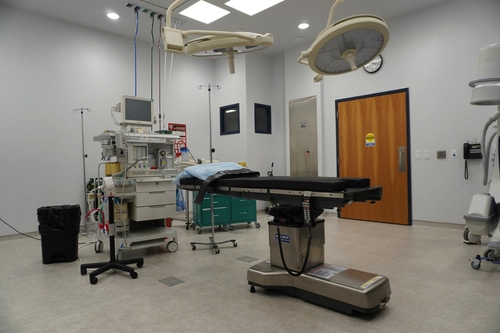
Different zones demand tailored attention to block germ pathways. This breakdown prioritizes high-traffic spots first, with expanded details for thorough execution. For full facility support, explore our facility cleaning services.
Reception and Waiting Areas
These front-line zones greet every visitor, making daily diligence essential to curb surface transmission.
Daily Tasks
Wipe counters, pens, keyboards, door handles, and reception phones with EPA-approved disinfectants, allowing full dwell time (usually 5-10 minutes) for pathogen kill.
Vacuum or spot-mop floors to capture debris from foot traffic; empty all trash bins, sanitize interiors with wipes, and replace liners promptly.
Restock hand sanitizer stations, wipe down communal magazines, toys, or tablets, and check seating for spills immediately.
Weekly Deep Cleans
Dust shelves, light switches, chair arms, and decorative frames using microfiber cloths treated with disinfectant spray.
Clean windowsills, glass doors, and ledges to remove fingerprints; inspect and spot-clean upholstery stains with enzyme cleaners.
Vacuum air vents and registers thoroughly to improve airflow and reduce allergen accumulation.
Monthly Inspections
Deep-clean chairs, couches, and rugs using steam extraction for embedded dirt; examine high-touch items for wear and replace as needed.
Review and restock entire cleaning supply inventory, logging usage for budget tracking.
Test and replace HVAC air filters if airflow is reduced, documenting changes for compliance records.
Exam and Treatment Rooms
Turnover between patients demands precision to prevent cross-contamination from bodily fluids or tools.
Disinfect exam beds, chairs, stirrups, and diagnostic tools like stethoscopes or otoscopes after each patient, using single-use covers where possible.
Wipe sinks, countertops, cabinet handles, light switches, and privacy curtains thoroughly with broad-spectrum cleaners.
Empty biohazard sharps containers and general waste bins securely, tying bags double and replacing paper bed rolls.
Sanitize inside cabinets, drawers, and shelving units, organizing supplies to avoid clutter-induced contamination.
Launder or steam-clean curtains, floor mats, and wall-mounted charts; scrub floors and baseboards edge-to-edge.
Polish exam lights, scales, and wall fixtures to eliminate residue buildup.
Inspect backup equipment like defibrillators or EKG machines for dust, wiping down and testing functionality.
Check expiration dates on all disinfectants, gloves, and wipes, disposing safely and reordering proactively.
Perform team walkthrough audits, noting improvements and updating protocols based on observations.
Restrooms and Break Areas
Shared spaces breed bacteria if not hit hard and often, especially with frequent handwashing demands.
Daily Sanitization
Scrub toilets, urinals, sinks, mirrors, flush valves, and towel dispensers top-to-bottom using acid-free bowl cleaners and surface sprays.
Replenish liquid soap, paper towels, toilet paper, and seat covers; sanitize all dispensers externally and internally.
Mop floors with a fresh germ-killing solution, paying extra attention to grout lines and corners; air dry completely.
Weekly Upholstery
Wipe restroom walls, vents, partitions, and baby-changing stations; tackle break room microwaves, fridges, and coffee makers inside-out.
Steam-clean or shampoo staff lounge fabrics like cushions; disinfect vending machine buttons and shared utensils.
Degrease sink traps and drains to prevent clogs and odors.
Monthly Pest/Vent Checks
Inspect cracks, pipes, and vents for pest signs, applying baits or seals preventively without chemicals near sinks.
Deep-clean overhead vents and exhaust fans, replacing grease filters in break areas.
Polish chrome fixtures, mirrors, and door hardware for a professional gleam; flush drains with enzyme treatments.
Frequency-Based Schedule for Medical Cleaning Checklist
Layer zone-specific tasks into a master rhythm for full coverage. Use this table for quick reference across your clinic.
Frequency | Key Tasks Across Zones | Notes |
|---|---|---|
Daily | High-touch wipe-downs (handles, tables, tools); floor spot-cleans; waste removal | Use 10-minute dwell-time disinfectants; staff PPE mandatory; log completion times. |
Weekly | Deep surface sanitization (cabinets, vents); upholstery vacuuming; drain flushes | Schedule post-clinic hours; rotate staff for fresh eyes. |
Monthly | Equipment inspections; floor steaming; supply audits; pest checks | Document photos/videos for records; align with payroll cycles. |
This schedule aligns with EPA disinfectant lists. Pair it with tips from our disinfection best practices blog.
Recommended Tools and Disinfectants
Stock hospital-grade options like quaternary ammonium or hydrogen peroxide wipes, EPA-registered for healthcare. Essentials include color-coded microfiber cloths, wet-dry vacs, and backpack sprayers for efficiency. Always verify contact times and test for surface compatibility.
Best Practices for Long-Term Clinic Hygiene
Train staff quarterly on protocols, using hands-on demos and quizzes. Implement digital apps for task logging and instant alerts. Audit monthly against OSHA checklists, adjusting for seasonal flu peaks. Ziva Cleaning Services scales these for any clinic size. See OSHA healthcare sanitation guidelines for full standards.
Partner with Ziva Cleaning Services Today
Ready to implement this ultimate medical cleaning checklist effortlessly? Ziva Cleaning Services delivers tailored clinic hygiene with certified teams and eco-friendly products. Contact us for a free quote and explore the industries we service. Keep your clinic safe, schedule today!


