

In clinical environments, cleaning is about patient safety, infection control, and regulatory compliance. However, the terms sanitizing and disinfecting are often used interchangeably. They actually have different meanings and applications. Knowing the difference is critical. It prevents the spread of infections and maintains compliance with healthcare cleaning standards.
At Ziva Cleaning Services, we specialize in healthcare cleaning solutions that go beyond surface-level tidiness. By applying both sanitizing and disinfecting protocols appropriately, we help medical facilities protect patients, staff, and visitors from harmful pathogens.
What’s the Difference Between Sanitizing and Disinfecting?
Sanitizing
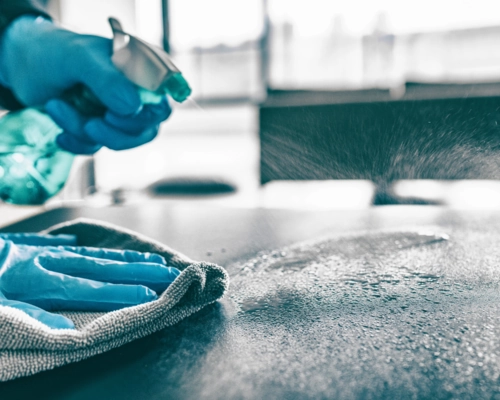
Sanitizing reduces germs on surfaces to a safe level set by public health standards. It does not eliminate all microorganisms. Instead, it lowers their numbers enough to decrease the risk of transmission. For example, sanitizing is appropriate for administrative areas in medical facilities. It works like routine cleaning in office environments: it lowers health risks but is less rigorous than what is required in surgical spaces.
Disinfecting
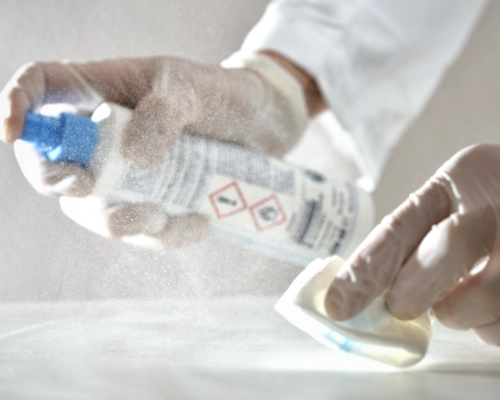
Disinfecting uses stronger, hospital-grade chemicals. These are designed to kill most bacteria, viruses, and fungi. In healthcare settings, disinfecting is vital for "high-touch" points. Common high-touch points include:
Bed rails
IV stands
Doorknobs and bathroom fixtures
Without disinfection, germs spread rapidly. This increases the risk of healthcare-associated infections (HAIs).
Why Both Are Necessary in Clinical Settings
Sanitizing is often the first step in medical cleaning. It removes dirt, debris, and some microbes. Disinfecting builds on this foundation. It eliminates dangerous pathogens that could otherwise remain. Without this second step, surfaces may still hold germs that put vulnerable patients at risk.
This layered approach mirrors strategies in other sectors. Just as industrial facilities require specialized cleaning for worker safety, clinical spaces need a strict balance. We must sanitize and disinfect to maintain a safe environment.
Healthcare Cleaning Standards and Compliance
Healthcare facilities are held to stringent cleaning and disinfection standards by organizations such as the CDC and OSHA. These standards specify the chemicals used, the frequency of cleaning, and the recordkeeping necessary to prove compliance. Postoperative cleaning protocols protect surgical patients. Similarly, clinical cleaning standards ensure every corner of a facility meets high safety requirements. This applies to everything from waiting rooms to surgical suites.
At Ziva Cleaning Services, we train our teams to follow healthcare-specific cleaning standards with precision. This includes:
Identifying high-touch surfaces for frequent disinfection.
Using only EPA-approved disinfectants.
Following required dwell times for disinfectants to be effective.
Documenting every cleaning and disinfection activity for accountability.
Best Practices for Disinfecting and Sanitizing in Medical Facilities
To maintain a safe and compliant healthcare environment, medical cleaning providers recommend the following practices:
Map Out Risk Zones: Clinical cleaning must account for areas of varying risk.
Use Hospital-Grade Disinfectants: Only products approved for medical use should be used on patient-facing surfaces.
Respect Contact Times: Disinfectants must remain on surfaces for the full recommended time to be effective.
Train Cleaning Staff Thoroughly: Education ensures consistency and compliance.
Audit and Document: Maintaining cleaning logs not only supports compliance but also reassures patients and regulators that standards are being met.
Why Partner with Us for Healthcare Cleaning?
In a clinical setting, sanitizing and disinfecting are not optional, they are life-saving protocols. Ziva Cleaning Services understands the difference and applies both methods where appropriate to protect vulnerable patients, support healthcare teams, and ensure full compliance with industry regulations.
We help businesses create safer environments in high-traffic medical clinics and industrial environments. In the same way, our healthcare cleaning services deliver precision, consistency, and peace of mind. Ready to improve infection control in your medical facility? Get a free quote for professional sanitizing and disinfecting cleaning that keep your patients safe and your facility compliant.


