

Safety is non-negotiable in industrial environments, and proper cleaning plays a critical role in upholding it. At Ziva Cleaning Services, we understand that industrial cleaning is about creating healthier, safer workplaces that support both productivity and peace of mind.
From manufacturing floors to warehouses and healthcare labs, each industrial setting requires customized cleaning strategies to mitigate risk and meet stringent hygiene standards. Below, we outline essential cleaning protocols that reduce hazards and protect workers.
Why Industrial Cleaning Requires Rigorous Safety Standards
Industrial facilities often expose employees to chemicals, dust, biological contaminants, and heavy machinery. Without strict cleaning protocols, these environments can quickly become hazardous. Risks include:
Chemical exposure from improperly handled cleaning agents.
Slip and fall accidents from wet or unclean floors.
Musculoskeletal injuries due to repetitive cleaning motions.
Equipment failure caused by dust or debris accumulation.
As a trusted commercial cleaning partner, Ziva Cleaning Services ensures all services meet OSHA and workplace safety standards. Our training programs emphasize PPE use, hazard identification, and safe cleaning practices.
Sector-Specific Cleaning Protocols That Promote Safety
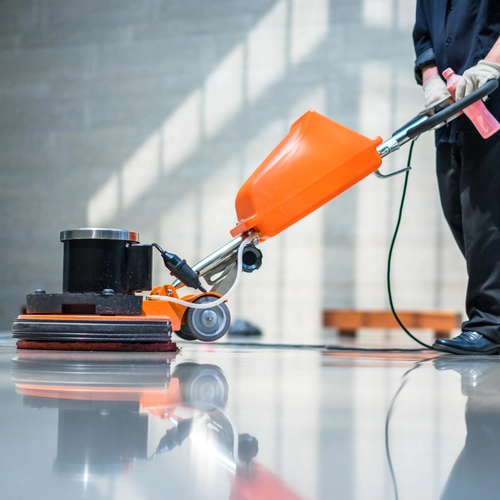
Every industry requires a tailored approach. Here's how we adapt our safety protocols for different sectors:
Office & Administrative Facilities: Hygiene and Ergonomics
Frequent disinfection of shared surfaces (keyboards, desks, door handles).
Ergonomically safe cleaning equipment to reduce strain.
Low-toxicity, VOC-free cleaning agents for improved indoor air quality.
Explore more in Why Routine Cleaning for Commercial Spaces Is Important.
Healthcare and Lab Environments: Infection Control
Use of EPA-registered hospital-grade disinfectants.
Strict protocols for biohazard disposal.
Trained personnel in medical-grade cleaning and sterilization techniques.
Our healthcare cleaning services are tailored to medical centers, dental offices, and testing facilities.
Schools and Daycare Facilities: Child-Safe Cleaning
Non-toxic, hypoallergenic cleaning products.
Scheduled cleaning during off-hours to prevent disruption.
Focus on high-touch surfaces like desks, toys, and railings.
Our school cleaning services prioritize student and staff health with proven safety measures. For dedicated childcare environments, our daycare cleaning services guide breaks down protocols, frequency, and high-priority surfaces unique to early-childhood facilities.
Gyms and Fitness Centers: High-Volume Hygiene
Regular disinfection of equipment and locker rooms.
Slip-resistant cleaning of workout floors.
Use of odor-neutralizing, eco-friendly products.
Learn more in Gym Cleaning Step by Step Checklist.
Industrial & Warehouse Facilities: Heavy-Duty Protocols
PPE requirements for all cleaning technicians (gloves, goggles, masks).
Risk assessments to identify hazardous zones before cleaning begins.
Use of industrial vacuums, degreasers, and floor scrubbers suited for large-scale operations.
Strata Properties & Real Estate Developments
Safe removal of debris and waste from shared spaces.
Chemical storage in accordance with local safety laws.
Maintenance of entryways, elevators, and stairwells to prevent accidents.
Ziva Cleaning provides reliable, scalable cleaning for building managers and developers.
Key Elements of Safe Industrial Cleaning Practices
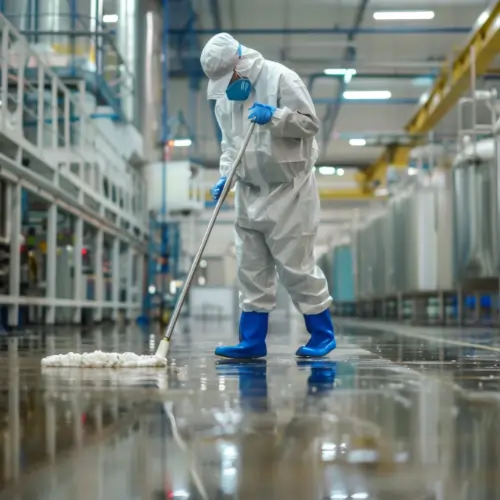
1. Personal Protective Equipment (PPE): All staff must wear task-appropriate gear, including gloves, face masks, and slip-resistant shoes.
2. Site Assessments: Pre-cleaning walkthroughs help identify high-risk zones and determine the safest cleaning procedures.
3. Safe Chemical Handling: Our staff are trained in the safe use, storage, and disposal of cleaning agents.
4. Equipment Maintenance: Tools like auto-scrubbers, vacuums, and pressure washers are regularly inspected and serviced.
5. Emergency Readiness: We prepare for unexpected incidents with first aid protocols and emergency contact procedures.
Why Compliance Is Only the Beginning
Staying compliant with occupational health and safety regulations is the minimum standard. At Ziva Cleaning Services, we go beyond that to deliver clean environments that reduce downtime, prevent incidents, and support long-term productivity.
FAQs About Industrial Cleaning and Safety
Q: What are the biggest risks in industrial cleaning?
A: Slips, chemical exposure, air quality issues, and improper handling of tools are top concerns.
Q: Can Ziva customize cleaning plans for my facility?
A: Absolutely. We offer industry-specific solutions tailored to your layout, operation schedule, and compliance requirements.
Q: How do you ensure your cleaning teams stay safe?
A: We train all technicians on safety protocols, require PPE, and conduct regular site-specific briefings.
Partner with Ziva Cleaning Services to Protect Your Workforce
At Ziva Cleaning Services, our mission is to make industrial and manufacturing facilities safer, cleaner, and more efficient. We bring expert knowledge, trained staff, and commercial-grade equipment to every job.
From daily cleaning routines to high-risk sanitation projects, we deliver consistent results that help your team focus on what they do best, without worrying about safety or compliance.
Contact us today to discuss your industrial cleaning needs and get a personalized quote.


