

Why Daily School Cleaning Matters
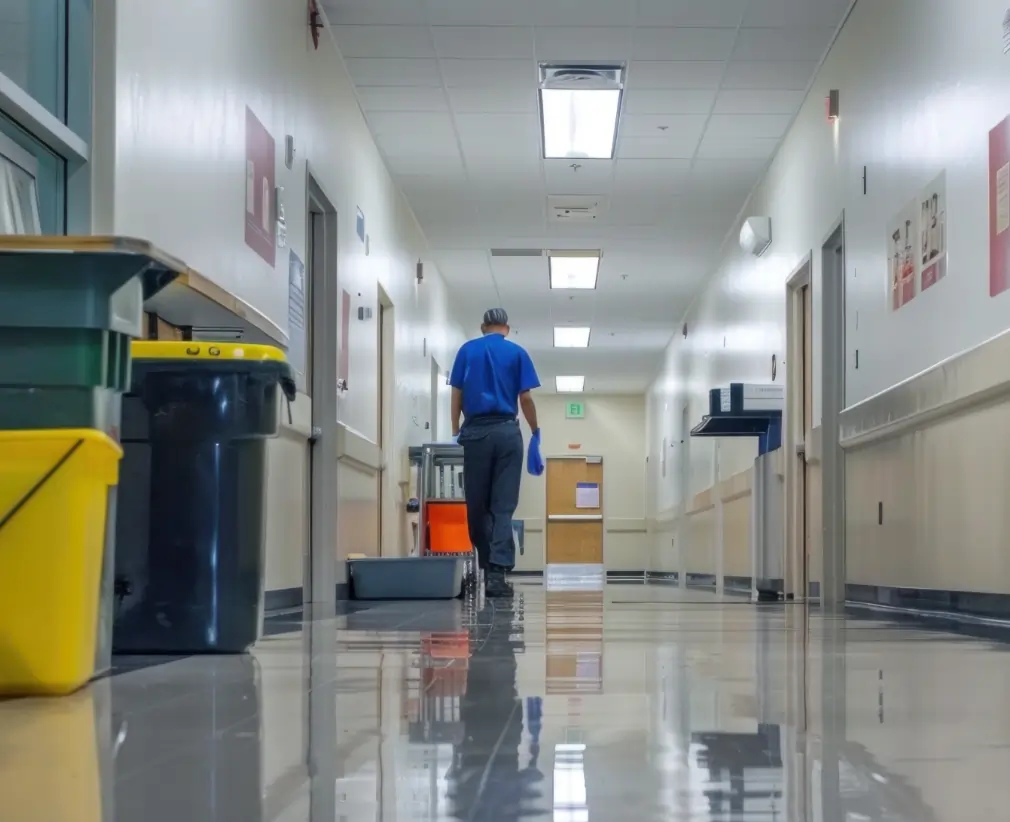
Students spend many hours each week in classrooms, hallways, cafeterias, and restrooms, where germs can easily spread through shared surfaces and close contact. A consistent daily cleaning routine helps reduce bacteria and viruses on desks, floors, and restroom fixtures, which in turn can reduce illness-related absences and keep learning on track.
Health experts highlight that better cleaning and disinfection of school environments can significantly lower student absences from respiratory and gastrointestinal illnesses. That shows how closely cleanliness and health are linked in schools. Including students in simple cleaning habits, like wiping desks and throwing away trash, builds responsibility and supports a cleaner learning environment.
How to Clean Your Desk at School
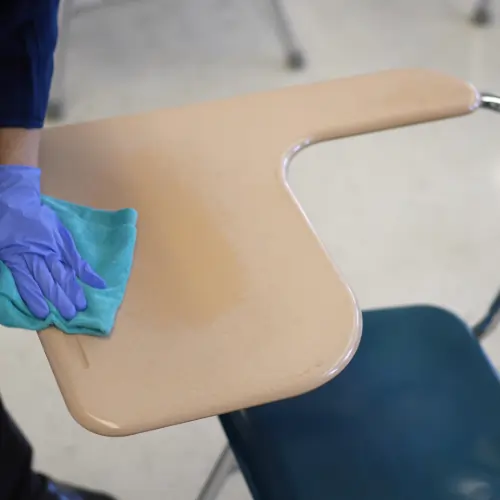
Daily Desk Wipe-Down Routine for Students and Teachers
Start your cleaning by clearing the desk of any papers, books, or personal items. This makes it easier to reach every surface without pushing germs around. Use a microfiber cloth or disposable wipe with a school-approved disinfectant spray. Focus on the top surface, edges, and any drawers or shelves where hands frequently touch.
Wipe in a systematic pattern: from one end to the other, then flip the cloth or grab a fresh one for the next section. Let the surface air dry for a few minutes before placing items back. This simple routine takes under two minutes but prevents the buildup of bacteria from shared pencils, notebooks, and snacks. Students can do this themselves at the end of class, while teachers supervise to ensure safe products are used.
Recommended School Cleaning Products for Desks
Opt for all-purpose cleaners with antiviral properties that are low-VOC and fragrance-free to minimize allergies.
Microfiber cloths trap dust better than paper towels, reducing lint and streaks for a professional finish.
Use a plastic scraper followed by disinfectant to get rid of tougher grime without scratching surfaces.
Stock classrooms with pump bottles of approved cleaners and color-coded cloths: blue for desks, green for floors, to avoid cross-contamination. Ziva Cleaning Services supplies school cleaning products to clients, ensuring they're effective yet gentle for daily use in learning environments.
How to Clean School Tile Floors
Daily Dry and Wet Cleaning Routines for Tile Floors
Begin every floor cleaning session with dry methods. Sweep or use a dust mop to pick up loose dirt, hair, and debris from under desks and along walls. This prevents scratching tiles when you add moisture later. Focus on high-traffic paths first, as they collect the most grit from shoes.
Follow up with a damp mop using warm water and a pH-neutral cleaner diluted per instructions. Mop from the back of the room toward the door, flipping the mop head halfway to use a clean side. We emphasize this two-step approach in schools to maintain shine without residue buildup. Allow floors to dry fully before students return, using fans if needed in humid areas.
When to Bring in School Cleaning Services for Floor Care
Daily routines handle most needs, but if tiles look dull or grout darkens despite efforts, it's time for pros. School cleaning providers use rotary scrubbers and grout-specific cleaners for a deeper clean without disrupting classes. Schedule these during off-hours or breaks to restore floors to like-new condition.
Ziva Cleaning Services partners with schools for these periodic boosts, using eco-friendly school cleaning products that meet health standards. This extends tile life and reduces long-term costs, making it a smart investment for busy facilities. For schools weighing that investment, our school cleaning services pricing guide breaks down typical rates by facility size.
How to Clean a School Restroom
Essential Daily Restroom Cleaning Checklist
Post this checklist near the restroom door: empty trash, restock paper products, sweep floors, and check for clogs first. Then tackle surfaces systematically to ensure nothing is missed. Consistency turns this into a 15-20 minute routine per restroom, keeping spaces welcoming all day.
Trained staff should lead, but older students can assist with light tasks like refilling dispensers under supervision. We customize these checklists for each school, taking in consideration usage volume and peak times for maximum efficiency.
Disinfecting Toilets, Sinks, and High-Touch Fixtures
Apply a thick gel cleaner inside toilets and urinals, letting it dwell while you move to sinks. Scrub bowls with a dedicated toilet brush, paying attention to under the rim where germs hide. For sinks, spray counters, faucets, and mirrors, wiping with a fresh cloth to avoid streaks.
High-touch fixtures like flush valves, door handles, and towel dispensers get a final disinfectant pass. This targets how to clean a school restroom effectively, reducing illness spread in these germ hotspots. Always wear gloves and wash hands thoroughly afterward.
Odor Control and Restocking Supplies
Combat odors by cleaning drains weekly with an enzyme product and ensuring proper ventilation runs constantly. Freshen the air naturally with open windows when weather allows, or use subtle dispensers. Restock toilet paper, soap, and towels at the start and end of each day to avoid shortages.
Ziva Cleaning Services includes odor audits in their school cleaning services, identifying sources like neglected vents and fixing them proactively. This keeps restrooms functional and pleasant, encouraging proper use.
Keeping the Whole School Environment Clean Every Day
Simple Habits Students Can Follow to Keep Classrooms Clean
Teach kids to deposit trash immediately, stack chairs neatly, and report messes. A "clean corner" station with wipes and bags empowers them to handle minor cleanups. These habits answer how to keep your school environment clean while fostering pride in their space.
Incorporate games like "spot the litter" challenges to make it engaging. We share these student involvement strategies with partner schools for lasting results.
Staff Routines That Support a Consistently Clean School
Custodians should prioritize zones by traffic: classrooms first, then halls, restrooms last. Teachers model by tidying their areas daily. Shared calendars sync everyone, preventing overlaps or gaps.
A master school cleaning checklist ensures alignment, with tasks like desk wipes and floor sweeps assigned clearly. We implement digital versions for real-time tracking.
When to Call Professional School Cleaning Companies
Persistent dirt, rising absences, or odors signal it's time for experts. Visual inspections reveal if daily efforts suffice or if buildup threatens health.
School cleaning companies bring tools, training, and scale for superior results with minimal disruption. They handle school deep cleaning efficiently, freeing staff for core duties.
Ziva Cleaning Services specializes in educational facilities, delivering customized plans that enhance safety and performance.
Benefits of Partnering with Professional School Cleaning Services
When the daily routine needs backing up by a crew, our school cleaning services cover classrooms, restrooms, cafeterias, and gyms.
Even if your title focuses on hard surfaces, carpets in other areas need attention. Professionals use extraction methods to remove allergens, complementing tile care. Schedule quarterly for optimal air quality. Ready to elevate your school's daily cleaning? Reach us for a free consultation and customized school cleaning checklist.

