

What makes a healthy pediatric waiting area?
Children’s waiting areas in pediatric clinics should stay fun and anxiety‑reducing for kids and safe from germs, which means combining the right toys with strict cleaning and hygiene routines. With a smart mix of toy selection, disinfection schedules, hand hygiene, and periodic professional cleaning, clinics can minimize infection risks while keeping waiting rooms welcoming for families.
Children’s waiting areas are essential for comfort in pediatric clinics, but they can also become hotspots for germs and allergens if not properly maintained. Toys, books, and interactive play equipment provide entertainment and help reduce anxiety, yet they also require careful attention to cleanliness and age‑appropriate safety. With the right strategies, pediatric clinics can keep their waiting rooms engaging and safe for young patients while minimizing the risk of illness. Ziva Cleaning Services specializes in professional cleaning solutions that address these unique challenges in healthcare and school environments.
Safety steps in pediatric clinics
A safe pediatric waiting room balances engagement with infection control and injury prevention. Clinics should focus on choosing easy‑to‑clean, age‑appropriate items, setting clear cleaning schedules, encouraging hand hygiene, and minimizing clutter that traps dust or creates tripping hazards. These measures protect children, families, and staff while making sanitation tasks realistic for busy teams.
Select safe and easy‑to‑clean toys
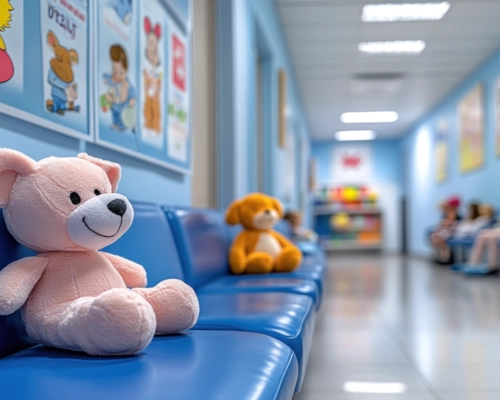
The first step in maintaining a healthy pediatric waiting room is choosing toys and furniture designed with cleanliness in mind. Durable, non‑porous materials are ideal, as they withstand frequent cleaning without damage or staining. Toys made of hard plastic, silicone, or coated wood can be wiped down easily, reducing the spread of germs and allowing staff to disinfect them quickly between uses.
Avoid plush toys or items with intricate crevices that can harbor bacteria, dust, and allergens and are difficult to sanitize thoroughly. Large interactive toys like play tables, wall-mounted activity centers, or sensory boards are not only engaging but also simpler for staff to sanitize regularly. By selecting toys with surfaces that can be disinfected efficiently, clinics ensure cleaning routines are both practical and effective. This approach aligns with general strategies for high-traffic areas, similar to the Cleaning Techniques for High-Traffic Medical Clinics.
Establish a consistent cleaning schedule
Routine cleaning is critical to reducing pathogens on toys and other high-touch surfaces. Scheduling toy sanitation during off-peak hours, such as lunchtime or between patient appointments, ensures that all toys receive thorough attention without disrupting clinic flow. High‑touch toys and surfaces should be wiped and disinfected multiple times per day when patient volume is high, with less‑used items included in at least daily rounds.
Use hospital-grade disinfectants and follow proper contact times to ensure the surface is effectively sanitized before children handle items again. For shared toys, consider assigning rotation schedules where each item is cleaned daily, and deeper weekly cleans are conducted on less frequently used sets. Learn How Often Should a Medical Facility Be Deep Cleaned? to emphasize that both frequency and technique are essential for preventing the spread of infections. Guidance for healthcare environmental cleaning also stresses the importance of routine disinfection of high-touch surfaces to reduce transmission of pathogens.
Encourage hand hygiene
While cleaning toys is vital, promoting hand hygiene among children, parents, and staff adds an extra layer of protection. Install hand sanitizer stations near play areas and encourage children to use them before and after touching toys, with staff and signage reinforcing the habit in a friendly way. Providing tissues and covered waste bins nearby also helps manage coughs and sneezes effectively.
Pediatric clinics that integrate hand hygiene into their routines experience lower transmission rates of common viruses and allergens, improving overall patient safety. Public health recommendations for indoor environments consistently highlight proper hand hygiene as one of the most effective ways to prevent the spread of respiratory and gastrointestinal infections. Making sanitizer and handwashing facilities easy to access and clearly marked supports better compliance among staff and visitors.
Avoid choking hazards and safety risks
Safety is equally as important as cleanliness in pediatric settings. Ensure that all toys are age-appropriate, sturdy, and free from small detachable parts that could pose choking hazards, especially in mixed‑age waiting areas. For spaces serving infants or toddlers, opt for wall-mounted or securely fastened toys, interactive tables, and large block sets that are too big to swallow.
Regularly inspect toys for cracks, loose pieces, or sharp edges and remove or replace anything damaged. Properly selected toys reduce the risk of accidents while remaining easy to disinfect, creating a safer and more manageable environment. This combination of injury prevention and hygiene is consistent with broader pediatric safety guidance, which stresses that items accessible to children should be both physically safe and compatible with routine cleaning.
Create organized storage and minimize clutter
An organized waiting area simplifies cleaning and reduces allergen accumulation. Use labeled bins, shelves, or carts to store toys when not in use, and rotate play items to limit exposure and make daily sanitation more manageable. Keeping a subset of toys out at any one time makes it easier for staff to disinfect what’s in circulation and track what has been cleaned.
Minimizing clutter also ensures children can play safely without overcrowding and prevents hidden dirt from accumulating under toys and furniture. Clear floor space reduces tripping hazards and makes vacuuming and dusting more efficient. Read the guide on School Cleaning Tips to learn how to support cleanliness and safety with proper storage and organization in educational environments.
Staff training and infection‑control procedures
Effective cleaning depends on people knowing what to do and why it matters. Staff training is a critical component of maintaining a safe waiting room, especially in healthcare spaces where vulnerable children visit regularly. Clear procedures around toy handling, disinfection, and inspection make it more likely that protocols will be followed consistently.
Educate staff on sanitization procedures
Foundational training begins with understanding the difference between sanitizing vs disinfecting in clinics, so staff know which method applies to which surface before they pick up a product. Employees should be knowledgeable about disinfectant use, cleaning frequency, and proper handling of toys to avoid cross-contamination. Train staff on reading product labels, using correct dilution ratios if required, applying disinfectants to fully cover surfaces, and respecting the recommended wet contact time before wiping or reuse.
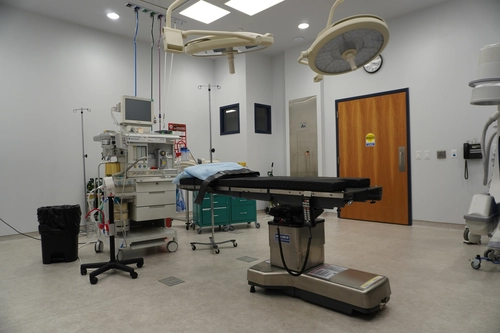
Professional guidance ensures clinics follow best practices for infection control, similar to how operating room cleaning ensures patient safety. While pediatric waiting rooms are less critical than surgical spaces, the same principles of rigorous cleaning protocols, attention to high-touch surfaces, and prevention of cross‑contamination still apply. Healthcare infection‑control recommendations for outpatient settings also stress the importance of consistent cleaning and disinfection of shared objects and surfaces.
Role of professional cleaning services
While daily cleaning by staff is essential, periodic professional services provide a deeper level of sanitation and help ensure nothing is missed over time. Professional cleaners bring specialized tools, established procedures, and familiarity with healthcare guidance, which can be hard for clinical staff to replicate while juggling patient care.
Incorporate professional cleaning services
While daily cleaning by staff is essential, periodic professional services provide a deeper level of sanitation. Ziva Cleaning Services offers specialized pediatric clinic cleaning, including electrostatic spraying, deep carpet and upholstery cleaning, and thorough sanitation of all toys and surfaces. These deeper services can be scheduled weekly, monthly, or around seasonal surges in illness to boost protection.
Professional cleaners not only reduce germs but also help clinics maintain regulatory compliance and create a welcoming environment for patients. Their processes can support broader indoor air quality goals by controlling dust and allergens, especially in carpeted or soft‑furnished areas. Guidance on maintaining acceptable indoor environmental quality notes that regular cleaning and dust control are key parts of creating healthy indoor environments in public and institutional buildings.
Ensuring comfort with clean furniture
Waiting room furniture should also be considered when creating a hygienic play environment. Chairs, couches, and benches designed for children should be easily cleaned and disinfected regularly, with seams and joints that don’t trap crumbs or liquids. Selecting durable, wipeable surfaces such as coated fabrics, vinyl, or sealed wood minimizes bacteria build-up while maintaining a comfortable and inviting space.
Set a clear schedule for cleaning armrests, seat surfaces, and backs, paying particular attention to areas where children climb or lie down. Incorporating periodic deep cleaning or professional upholstery care helps extend the life of furniture and maintain its appearance. When furniture and toys both support easy disinfection, staff can keep the entire waiting room cleaner with less effort and fewer disruptions to families.
Why choose Ziva Cleaning for pediatric clinics
Sanitizing waiting room toys is essential to ensure children remain safe and healthy during their clinic visits. Ziva Cleaning Services provides tailored solutions for pediatric environments, combining thorough cleaning, efficient workflows, and industry-standard protocols. The team understands how to integrate toy disinfection, hand‑touch surface cleaning, and floor and upholstery care into a schedule that supports clinical operations.
By partnering with Ziva Cleaning Services, clinics can maintain an environment where children feel comfortable, parents feel reassured, and staff can focus on care rather than constant sanitation. Schedule a free consultation with Ziva Cleaning Services today to create a clean, safe, and engaging waiting room for your pediatric patients.


