

A clean church is more than appearance. It supports health, safety, and a welcoming experience for every service, event, and community program. The CDC provides practical guidance on cleaning and disinfecting in facilities, including focusing on high touch surfaces and using products correctly, which helps facilities teams build consistent routines that protect occupants.
Why facilities managers need a church cleaning checklist
Common cleanliness risks in worship spaces
Religious facilities function like multi use community centers. A single building may host worship services, youth activities, childcare, meetings, counseling, food service, and large seasonal gatherings, often with rapid turnover between events. That mix creates predictable pain points for facilities managers: inconsistent cleaning coverage, missed touchpoints, and last minute scrambles before services. Buildings that host regular childcare deserve a separate review of what daycare cleaning services cover, since the daily standards differ meaningfully from general facility cleaning.
A strong church cleaning checklist solves those issues by turning expectations into a repeatable system. It creates one standard across sanctuary, classrooms, offices, restrooms, and fellowship halls, regardless of who performs the work. It also helps protect sensitive finishes such as wood pews and stained glass by defining safe methods, tools, and frequency.
For leaders searching for cleaning services for churches, a checklist is also a procurement tool. It clarifies scope, reduces surprises, and allows apples to apples comparisons between proposals from religious buildings cleaning service providers.
How to set up a cleaning program
Build a scope of work by room type and usage
Before listing tasks, define the building’s functional zones and how they are used. Facilities managers get the best results when the scope is written by “what happens here” rather than by square footage alone.
Start with an inventory like this:
Public gathering spaces: entryways, lobby, sanctuary, narthex, hallways, stairwells.
Program spaces: classrooms, nursery, youth rooms, counseling rooms, meeting rooms.
Support spaces: offices, staff break areas, storage rooms.
Food related spaces: kitchen, serving lines, fellowship hall food staging areas.
Hygiene spaces: restrooms, mother’s room, changing areas.
Exterior touchpoints: main doors, mats, handrails, parking lot entry points.
For each area, document:
Traffic level (low, moderate, high).
When it is used (weekly, daily, seasonal peaks).
Flooring type and special surfaces.
Any constraints (quiet hours, sacred items, locked rooms).
This is the foundation for a checklist that actually gets followed.
Top-down cleaning procedure
Church facilities often have high ceilings, fans, ledges, balcony rails, organ lofts, decorative trim, and lighting that collect dust. The simplest way to prevent rework is a top down routine:
Start with high dusting: vents, ceiling corners, fans, light fixtures, ledges.
Move to mid level surfaces: shelves, window sills, frames, railings.
Finish with touchpoints and horizontal surfaces: handles, switches, tables.
End with floors: vacuum, then mop or auto scrub as appropriate.
This order keeps dust from falling onto freshly cleaned floors or pews and reduces the complaints after a cleaning shift.
Supplies and equipment to standardize across the building
Facilities managers are most successful when they standardize tools and products by task, not by volunteer preference. That reduces damage risks and speeds training. Consider standardizing:
Color coded microfiber cloths for restrooms vs general areas.
A consistent disinfectant for high touch surfaces and restrooms, with clear instructions for contact time.
A neutral cleaner for wood and delicate finishes, especially in sanctuary areas.
HEPA vacuuming for carpeted aisles and entry mats.
Floor tools appropriate to the surface: microfiber mops for hard floors, auto scrubber for larger spaces where appropriate.
Also standardize storage and access. If the church has multiple wings, store supplies where they are used. If supplies are locked, ensure the correct people have access during service weekends.
Documentation and accountability
For facilities managers, the goal is predictable outcomes, not heroic effort. Documentation makes that possible.
Use checklists by frequency and by room.
Add a simple sign off line: date, time, initials, and any issues noticed.
Track “exceptions” separately: spills, body fluid incidents, storm salt, event cleanup.
Build a monthly walkthrough routine: inspect floors, restrooms, glass, odor issues, and supply levels.
If the facility uses vendors, require the same documentation. This creates a shared language during inspections, prevents missed expectations, and supports budget decisions.
Church cleaning checklist by frequency
Daily church cleaning checklist
Daily tasks are about safety, hygiene, and first impressions. These should happen before services and after high use events.
Empty trash and replace liners in public spaces, restrooms, classrooms used that day.
Spot clean entry glass and doors.
Wipe and disinfect high touch points: door handles, push plates, handrails, elevator buttons, light switches.
Restroom quick clean: toilets, sinks, counters, mirrors, floors as needed.
Check and replenish consumables: soap, paper towels, toilet paper, sanitizer.
Quick vacuum or mop in high traffic areas: entryway, lobby, main aisle, restrooms.
Reset spaces: straighten chairs, remove debris, stage rooms for next use.
Weekly church cleaning checklist
Weekly tasks should make the facility feel maintained, not merely “picked up.”
Vacuum carpeted areas thoroughly, including edges and under movable furniture.
Damp wipe pew backs, chair arms, railings, lecterns, and common touch surfaces.
Clean glass more comprehensively: interior entry doors, lobby windows, display cases.
Dust mid and high level surfaces where reachable: ledges, sills, frames.
Restrooms: deeper fixture cleaning, polish chrome, sanitize partitions and dispensers.
Kitchen and fellowship areas: appliance exteriors, sinks, counters, tables, trash receptacles.
Offices and meeting rooms: desks, shared phones, printers, conference tables.
Monthly church cleaning checklist
Monthly tasks reduce long term buildup and help prevent deterioration.
Detail dusting: vents, returns, ceiling fan blades, light fixtures (where accessible).
Baseboards, trim, and door frames in high visibility areas.
Spot clean walls and remove scuffs in hallways, lobbies, classrooms.
Upholstery vacuuming for fabric chairs and cushions.
Restrooms: grout attention, floor edge detail, drain odor prevention steps.
Kitchen: interior microwave cleaning, trash enclosure cleaning, cabinet fronts.
Check entry mats condition and placement to reduce slip risks and soil tracked inside.
Quarterly checklist
Quarterly work is where facilities managers often regain control after busy seasons.
High dusting above normal reach with safe access equipment.
Detailed vent and diffuser cleaning where appropriate.
Glass detail cleaning for high windows and interior partitions.
Upholstery and carpet planning: spot treatment, scheduling extraction.
Floor care assessment: determine if scrub and recoat, buffing, or refinishing is needed.
Exterior touchpoints: entry thresholds, exterior glass near doors, seasonal salt residue management.
Bi-annual and annual checklist
Bi annual and annual tasks are restorative and are often best scheduled around lower attendance periods.
Carpet extraction in sanctuary aisles, classrooms, and offices where carpet exists.
Hard floor deep scrub and finish work based on floor type.
Detailed pew and woodwork cleaning with safe products and methods.
High fixture cleaning: chandeliers, high ledges, balcony rails, exposed beams if present.
Pressure washing for exterior walkways and entrances where appropriate and safe.
Full facility deep clean before major holidays or special seasons.
Room-by-room church cleaning checklist
Entryways and lobbies
Entryways determine whether the building feels cared for. They also present the biggest slip and fall risks.
Maintain mats: vacuum daily and replace or clean as needed.
Clean glass doors and push plates.
Wipe down reception counters, welcome kiosks, and brochure racks.
Check corners and edges for debris, especially near exterior doors.
Facilities manager tip: upgrade mat coverage during rainy or snowy periods. It reduces labor downstream.
Sanctuary and worship areas
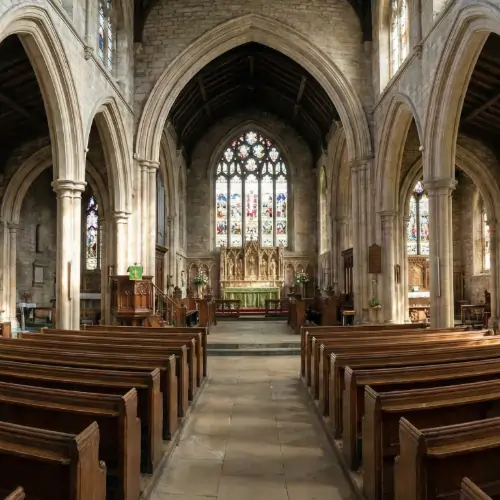
Sanctuaries need respectful cleaning that protects finishes while keeping touchpoints hygienic.
Vacuum aisles and under seating as access allows.
Dust and lightly clean wood surfaces with products safe for finished wood.
Disinfect touchpoints carefully: door handles, railings, microphone stands, shared lecterns.
Spot clean glass and remove fingerprints near entry points.
Keep the altar and platform tidy while coordinating with church leadership about what can be moved.
Fellowship hall and multipurpose rooms
These spaces fluctuate from low use to heavy use quickly.
Clean and disinfect tables and chair backs after each event.
Sweep and mop hard floors, paying attention to food residue.
Spot clean walls around food and beverage zones.
Trash removal and odor control, especially if events run late or involve catering.
If the facility rents the space, include a post event reset checklist and clear responsibility rules.
Classrooms and children’s areas
Children’s spaces should be treated as high priority, high frequency areas.
Disinfect high touch surfaces after use: tables, chairs, door handles, switches.
Clean floors thoroughly, especially under craft and snack areas.
Empty diaper trash and sealed waste promptly.
Launder or change linens when used, according to facility policy.
Keep cleaning products stored securely and out of reach.
Offices and meeting rooms
Offices can look clean while still being neglected.
Dust horizontal surfaces and wipe visible fingerprints on doors and glass.
Disinfect shared equipment: phones, printers, keyboards used by multiple people.
Vacuum edges and under chairs.
Empty trash and sanitize bins as needed.
Facilities manager tip: define what is included. Some offices need light cleaning only, while others require full desk disinfection depending on use and policy.
Restrooms
Restrooms are often the clearest indicator of facility quality.
Clean and disinfect toilets, urinals, sinks, counters, handles, and dispensers.
Refill soap, paper towels, toilet paper, and liners.
Clean mirrors and spot clean walls.
Mop floors and detail edges.
Address odor sources: drains, trash receptacles, and floor edges.
If odor returns quickly, add drain maintenance steps and verify ventilation performance.
Kitchens and food service areas
Food areas require consistent routines and the right products.
Clean and sanitize food contact surfaces appropriately.
Wipe appliance exteriors daily and clean interiors on a schedule.
Clean sinks and faucets thoroughly.
Empty trash and clean the bin area to prevent odors.
Keep floors free of grease and residue.
Facilities manager tip: if the church hosts frequent cooking, consider periodic professional services for specialized needs like hood systems, depending on local requirements and usage.
Windows and stained glass considerations
Stained glass, decorative windows, and older frames need careful handling.
Use gentle tools and non abrasive methods on decorative glass.
Avoid harsh chemicals that can damage frames, lead came, or protective coatings.
Schedule higher window work when access equipment can be used safely and discreetly.
If there is any uncertainty about preservation, consult appropriate building or preservation guidance for historic features before using new chemicals or tools.
Floors by type (carpet, tile, hardwood, vinyl, stone)
Floor care should match materials, traffic, and seasonality.
Carpet: vacuum frequently, spot treat promptly, extract periodically.
Tile: auto scrub or mop with attention to grout lines and corners.
Hardwood: use minimal moisture, approved cleaners, and protective pads on chairs.
Vinyl and similar resilient floors: scrub and recoat as needed, not only mop.
Stone: use pH appropriate products and avoid etching.
Facilities manager tip: floors often drive church cleaning services prices, so documenting floor types and square footage by zone helps with accurate bids.
Scheduling and staffing for cleaning services for churches
How to set frequencies based on attendance, events, and room utilization
Facilities managers should set cleaning frequency using real building behavior:
Track attendance peaks: weekends, holidays, seasonal programs.
Identify “always used” rooms: restrooms, lobbies, main worship space.
Identify “event driven” rooms: fellowship halls, classrooms, kitchens.
Adjust to weather: more entryway and floor work during wet seasons.
When cleaning is aligned with use, teams spend less time redoing work and more time maintaining quality.
Coordinating cleaning around services, weddings, funerals, and community programs
Religious facilities have emotional and logistical sensitivities. The schedule should protect quiet times and respect sacred spaces.
Establish protected time blocks for sanctuary cleaning.
Plan post event cleaning windows with enough time for floors to dry.
Create an “event reset” kit for quick response: spill supplies, extra liners, restroom restock.
For weddings and funerals, prioritize entryways, restrooms, and high visibility surfaces. These events often bring guests who have never visited before, so presentation matters.
In-house teams vs hiring church cleaning services
In house teams can work well for smaller facilities or limited scopes, especially when volunteers are consistent and well trained. However, many facilities managers choose professional cleaning services for churches when:
The building is large or multi site.
Floors require specialized equipment and expertise.
Cleaning consistency impacts reputation and safety.
Staff time is better spent on maintenance and operations.
A hybrid model can also work: volunteers handle quick resets, while professionals handle weekly detail and periodic deep cleaning.
Hiring church cleaning services
What a religious buildings cleaning service should include
When comparing vendors, require a clear scope that matches your checklist.
Room by room scope and frequency schedule.
Defined touchpoint disinfection plan.
Floor care plan by surface type.
Supplies responsibility: who provides chemicals, paper goods, liners, and dispensers.
Quality assurance: walkthrough cadence, inspection checklist, issue response time.
Safety plan: secure access, alarm procedures, key control, background checks when applicable.
This is also where Ziva Cleaning Services can provide value: translating your building’s real use into a scope that keeps standards consistent across services, events, and seasonal surges.
Church cleaning services prices: what affects cost
Church cleaning services prices costs vary widely. Price is usually driven by:
Total square footage and number of rooms.
How many restrooms and how heavily they are used.
Frequency: daily service vs a few times per week.
Floor types and required periodic care.
High dusting complexity and ceiling height.
Add ons such as carpet extraction, window work, upholstery cleaning, or event support.
A detailed checklist reduces surprise charges because it prevents misunderstandings about what standard cleaning includes.
Finding “church cleaning services near me” and evaluating providers
When searching “church cleaning services near me,” treat the shortlist like any other facilities vendor evaluation.
Ask for a site walkthrough before pricing.
Request a written scope and frequency plan, not just a flat quote.
Confirm quality control processes and who conducts inspections.
Verify scheduling flexibility for holidays and special events.
Ensure the vendor understands respectful cleaning in worship environments.
Why partner with Ziva Cleaning Services
How Ziva Cleaning Services builds a customized religious facility cleaning checklist for your site
Ziva Cleaning Services approaches religious facility cleaning with a facilities management mindset. That means building a checklist that matches how your building is actually used, then pairing it with clear procedures, documented sign offs, and quality checks that keep standards consistent week after week.
A customized approach also helps protect your facility’s finishes. From wood seating to delicate glass and high visibility entry areas, the right methods and frequency reduce wear while keeping the environment clean and inviting.
Request a walkthrough and quote for church cleaning services
If you are responsible for a church, synagogue, mosque, temple, or multi use worship center, a documented checklist is the fastest way to improve consistency and reduce last minute cleaning stress. Ziva Cleaning Services can help build a religious facility cleaning checklist that fits your attendance patterns, event calendar, and floor plan, then deliver dependable cleaning with clear quality controls.
Request a walkthrough and quote today to discuss scope, scheduling, and options that align with your needs, including church cleaning services prices based on frequency, floor types, and add ons.


