

A professional cleaning service can transform any space , (whether it’s your home, office, retail store, or industrial facility), into a healthier, more organized environment. However, to get the most out of your cleaning session, preparation is essential.
By taking a few steps before your cleaning crew arrives, you help them work more efficiently, focus on high-priority areas, and deliver the best possible results. Whether you’re booking routine cleaning for commercial spaces or a one-time deep clean, these tips will ensure you’re ready. You can also check Why Routine Cleaning for Commercial Spaces Is Important.
Steps to Prepare for Professional Cleaning Services
1. Declutter the Space
Before cleaners arrive, take some time to tidy up and remove unnecessary items from floors, desks, and countertops. In a residential setting, this means picking up toys, laundry, and shoes. In a business or office environment, this could involve organizing paperwork, putting away supplies, and clearing walkways.
A clutter-free space allows cleaners to access surfaces more easily and prevents them from spending valuable time moving items before they can get to work. For example:
In medical facilities, removing non-essential items from exam rooms ensures thorough sanitization of patient-contact surfaces.
In warehouses, clearing pathways allows teams to efficiently sweep, scrub, and sanitize high-traffic areas.
Decluttering helps your cleaning service focus on deep cleaning rather than basic tidying.
2. Secure Valuables and Confidential Information
Whether at home or at work, it’s good practice to store away valuables, sensitive documents, and confidential materials before a cleaning appointment. In an office or bank setting, lock away important files and customer records. In retail environments, ensure cash registers and safes are secure.
Professional cleaners are trusted experts, but safeguarding your property and information creates peace of mind and a smooth workflow for everyone.
3. Communicate Special Requests
Every space is different, and no one knows your environment better than you do. If you have specific areas that need extra attention like for example high-touch surfaces, kitchen appliances, or equipment rooms, make sure to communicate these requests ahead of time.
For example:
If you manage a property preparing for move-in cleaning, you might want to focus on carpets, windows, and kitchen sanitization.
If you operate an ATM cleaning program, ensure the cleaning crew understands which machines or touchpoints are priority areas. Read more about Professional Cleaning for ATMs and High-Touch Banking Surfaces.
Clear communication helps create a tailored cleaning plan and ensures no detail is overlooked.
4. Prepare Equipment Access
If your cleaners need access to locked areas, storage rooms, or restricted sections, make arrangements before they arrive. This is especially important for large facilities such as manufacturing plants, office buildings, or medical centers, where multiple areas may require keycards or codes.
You can also let your cleaning service know in advance if there are areas that should not be accessed during the cleaning. Clear boundaries keep the process smooth and organized.
5. Remove or Cover Delicate Items
Delicate or valuable items, whether artwork, electronics, or specialized equipment, should be either removed from cleaning areas or appropriately covered to prevent accidental damage. In homes, this may mean covering antique furniture or moving fragile décor. In offices or retail stores, it might involve securing electronics or display items.
6. Make Room for Equipment
Professional cleaning crews often arrive with large equipment such as floor scrubbers, carpet cleaners, or vacuum systems. Ensure pathways and entryways are clear so they can easily transport and set up their tools.
For instance:
In warehouses or industrial spaces, this could mean clearing forklift lanes or storage areas.
In offices, it might be as simple as ensuring hallways are free of boxes or chairs.
7. Plan Around Your Schedule
To maximize efficiency, try to schedule cleaning sessions during low-traffic hours. For offices, this could be after business hours or on weekends. For retail locations, early mornings or late evenings may work best.
If you’re booking routine cleaning for a high-traffic location, create a recurring schedule that minimizes disruption while keeping your space consistently maintained.
8. Ensure Utilities Are Accessible
Cleaners often need access to water, electricity, and sometimes outdoor spigots for certain tasks. Check that these utilities are functioning and accessible before they arrive.
If deep carpet cleaning is scheduled, accessible water connections will speed up the process.
If exterior window cleaning is part of the job, outdoor taps and power sources may be necessary.
9. Discuss Health & Safety Requirements
In environments like healthcare facilities, manufacturing plants, or food service areas, there may be specific safety protocols cleaners need to follow. Discuss these requirements in advance, whether it’s personal protective equipment (PPE), sanitation procedures, or access restrictions.
10. Trust the Experts
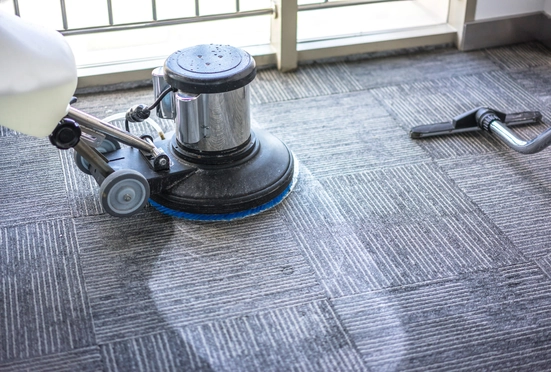
Once everything is prepared, let the professionals work their magic. At Ziva Cleaning Services, we create specialized cleaning plans for each industry, ensuring your needs are met with precision and care. Whether you manage an office, oversee a large warehouse, or own a busy retail store, our team is trained to deliver high-quality results while respecting your schedule and operations.
Ready to experience a truly efficient cleaning service? Contact Ziva Cleaning today to schedule your next appointment and see how preparation and professionalism combine for exceptional results.


