

Drying carpet quickly after cleaning is essential for keeping commercial spaces safe, fresh, and mold‑free. Damp carpet that stays wet for more than 24–48 hours can allow mold to grow, especially in areas with limited airflow and high humidity. Understanding how to dry carpet fast, and partnering with the best commercial carpet cleaning service for your facility, helps protect both your flooring and your budget.
Ziva Cleaning Services provides commercial carpet cleaning services across Reading, PA and Berks County, PA, combining effective cleaning with drying strategies for offices, retail spaces, religious facilities, and multi‑tenant properties and so more. The guide below explains how to dry carpet quickly after cleaning, while addressing questions like how much is carpet cleaning service and how to get the best value from the best commercial carpet cleaning service?
Why Fast Carpet Drying Matters for Mold and Safety
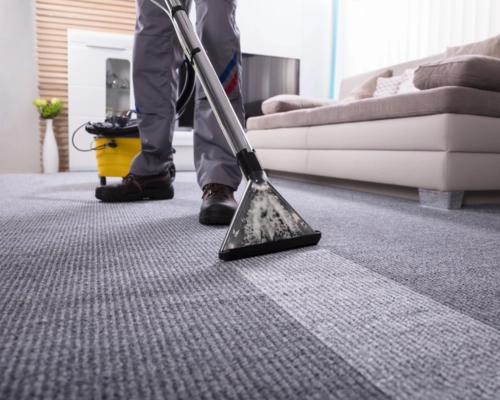
After a professional clean, commercial carpets should usually dry within 4–10 hours, depending on cleaning method, ventilation, and environmental conditions. If carpets are left damp:
Mold can begin to develop on and under carpet within 24–48 hours in the right conditions.
Odors, wicking stains, and premature wear become more likely.
Floors can feel slick, creating slip hazards in busy corridors and entrances.
These risks are especially important to consider when scheduling carpet deep cleaning services or when pricing carpet cleaning services for pet urine and other heavy-soil situations, which naturally involve more moisture. Using proper extraction, airflow, and humidity control keeps carpets cleaner between visits and makes your carpet cleaning service cost more efficient in the long term.
Tips to Dry Your Carpet Fast After Wash
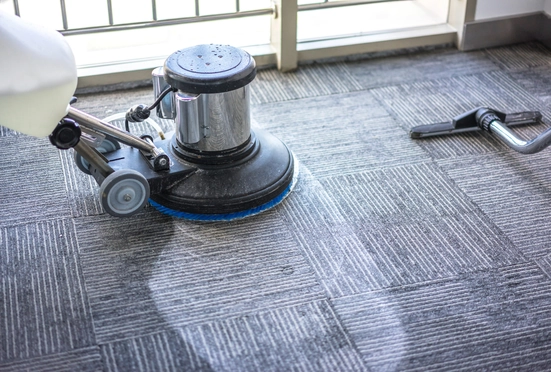
1. Extract As Much Moisture As Possible
The first step in fast drying is proper extraction. Professional hot water extraction (steam cleaning) equipment should remove the majority of water during the cleaning pass so carpets are damp, not saturated.
Best practices:
Use slow, overlapping passes with the wand or wet/dry vacuum to give the machine time to pull moisture from the fibers.
Avoid repeated application of solution to the same area, which can overwet the backing and pad.
For spots that received extra treatment, such as carpet cleaning services for pet urine, perform an additional extraction pass.
2. Blot Remaining Damp Areas With Towels
After extraction, towels or absorbent pads help pull remaining moisture from the carpet surface. This step is simple but effective:
Lay clean, dry towels over damp patches and press firmly or walk on them.
Replace towels as they become wet until minimal moisture transfers.
Focus on heavy‑use zones such as traffic lanes and around entrances.
For facilities that also use auto carpet cleaning service for fleet vehicles or showroom cars, towel blotting is especially useful in footwells and mats, where standing water can stay trapped.
3. Use Fans and Air Movers to Increase Airflow
Air movement is one of the fastest ways to dry carpet after cleaning. Commercial air movers are designed to move large volumes of air across surfaces, which accelerates evaporation.
To maximize results:
Position air movers or fans to blow across the carpet, not straight down.
Angle airflow so that damp air is pushed toward open doors or return vents.
Use multiple units to cover long corridors, open-plan work areas, or sanctuary aisles.
Even standard portable fans can help if professional air movers are not available. Ziva Cleaning Services often combines fans and air movers with carpet deep cleaning services in high-traffic commercial spaces to keep downtime minimal.
4. Improve Ventilation and Control Indoor Humidity
Ventilation and humidity levels strongly influence how long carpets stay wet. Opening windows and doors on dry days allows moisture to escape and pulls fresh air into the building, which speeds up drying. In more humid weather, ventilation must be balanced with moisture control.
Practical steps:
Open windows and doors when outside air is dry and comfortable.
Use building HVAC systems to maintain moderate temperatures and reduce humidity.
Keep internal doors open so air can circulate between rooms and hallways.
When scheduling cleaning in seasons with higher humidity, combining ventilation with dehumidification can protect your investment and reduce the risk of mold. This is especially important when planning carpet fire damage cleaning services or restoration work after leaks.
5. Run Dehumidifiers in Closed or Humid Areas
Dehumidifiers help remove moisture from the air so carpets can dry more quickly and evenly. Reducing indoor humidity below about 50 percent is a common recommendation for minimizing mold growth on damp materials, including carpeting.
For best results:
Place dehumidifiers close to the dampest sections of carpet.
Ensure doors and windows remain closed so the unit can work efficiently.
Empty the reservoir or use a drain hose for continuous operation.
Enclosed conference rooms, interior hallways, and basement spaces benefit especially from dehumidifier support after a carpet cleaning. Ziva Cleaning Services frequently recommends temporary dehumidification for facilities with limited natural airflow.
6. Elevate and Protect Furniture During Drying
Furniture can trap moisture in carpet and leave behind stains or rust marks if it sits directly on damp fibers. This is particularly important for high-value carpets, wool carpet cleaning services jobs, and fine commercial flooring.
To protect both carpet and furniture:
Place plastic tabs or foam blocks under furniture legs immediately after cleaning.
Slightly lift or shift heavy items to allow air to circulate under them.
Avoid returning unprotected metal or stained wood bases to damp carpet.
These steps help carpets dry evenly and preserve the results of the best commercial carpet cleaning service, particularly in executive offices, reception areas, and meeting rooms.
7. Schedule Cleaning for Off-Hours and Low Traffic Periods
Scheduling carpet cleaning services when the building is less busy supports faster drying and better results. Evening, overnight, or weekend appointments allow more time for carpets to dry before staff and visitors arrive.
Benefits include:
Less foot traffic on damp carpet, reducing re-soiling and matting.
More freedom to run fans, air movers, and dehumidifiers without disruption.
Reduced slip risk and improved comfort for building occupants.
When assessing how much is carpet cleaning service worth for your facility, factor in the convenience and safety advantages of off‑hours service. Ziva Cleaning Services offers flexible scheduling to minimize disruption while delivering high-quality results.
Understanding Carpet Cleaning Service Cost and Value
Facility managers often ask about carpet cleaning service cost and how to compare quotes. Actual pricing depends on:
Square footage and layout complexity.
Frequency of cleaning and method used (maintenance vs full restoration).
Extra needs such as carpet cleaning services for pet urine in pet-friendly facilities, carpet fire damage cleaning services after incidents, or auto carpet cleaning service for vehicle fleets.
Well-designed programs balance cost with performance and longevity. While very low carpet cleaning services prices may be tempting, inadequate extraction and poor drying can lead to problems like mold, odors, and premature replacement, costing far more over time. For a deeper understanding of how cleaning budgets impact overall facility health, Ziva Cleaning Services shares guidance in blogs such as Guide to Deep Clean Your Floors Efficiently.
Keep Carpets Clean, Dry, and Long-Lasting With Ziva Cleaning Services
Drying carpet correctly after cleaning is just as important as the cleaning itself. Effective extraction, air movement, humidity control, furniture protection, and smart timing help safeguard your floors and your facility.
Ziva Cleaning Services offers commercial carpet deep cleaning services, low-moisture options, and specialty care for offices, retail stores, religious facilities, and multi-tenant properties throughout Berks County and nearby areas. Whether you are looking for the best carpet cleaning service for routine maintenance or need help pricing a tailored program, Ziva Cleaning Services can provide clear guidance on carpet cleaning services prices and drying strategies for your space. Coverage extends into Chester County as well, for businesses in that area, our Exton PA commercial cleaning resource walks through what local carpet and facility cleaning support looks like there.
To schedule a visit, contact us today for a free, no-obligation carpet care quote.


